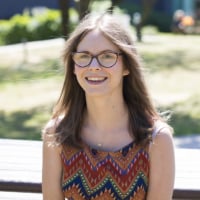
Here Ruth writes of her experiences of relying on the NHS.
I have to admit that this is a particularly emotional piece of writing for me because I owe the NHS my life. Not just in a ‘it pushed me out of the path of a speeding bus’ kind of a way (although before I had even put in an appearance, and shortly after, it did do that) but, rather like the kind of non-judgemental friend that will hold your hair back while you vomit, it has always turned up, in moments of crisis, just when I most needed it most. And more importantly, its mere existence tells me, loudly, every day, that I am an asset to the world, not a disappointing, uninsurable, collection of pre-existing conditions; that it absolutely does not matter if I am six, or ninety-six, earning, or not, whether my body is a temple, or more of a ruin, that I will, most of the time, not have to bankrupt myself in order to get the treatment that I need. That is a remarkable thing. It should be celebrated and cherished and protected.
My CP and Perthes have meant that the NHS is as much a part of my life as family, school and the supermarket and I think my experiences speak of the yin yang that is our health care system: in the same day, it can make you want to cheer out loud and hug people, and then make you despair. I think that they show the importance of feeling listened to, that the system works best when the expertise of patients, users, stakeholders, whatever we want to call ourselves is valued and utilised.

Aged three, on a ward that was at least a decade away from unrestricted visiting, I was not yet brave enough to explain that I wanted to finish my favourite fish fingers, but that I absolutely had to go to the loo. I returned to find dinner cleared away. Thirty years later, the understanding nurse who conspired with my husband so that I could have a sneaky Fillet of Fish, the only thing I fancied a couple of days post hip-replacement. The 1976 Brownie Christmas party that I almost missed because of unreliable hospital transport and my consultant who, seeing me still in the waiting-room, took a detour, on his way home to his own family, so that I made it in time. Waiting for a chilly three hours in my garden, for an ambulance to take me, and my fractured ‘good leg’ to A&E and then to a ward where I was met with more kindness, knowledge and reassurance than I can really put into words. Being ‘told off’ because I asked for a second pillow (needed because I could not lie down without it), and a wonderful GP who recognises that I want, and need, to be involved in every decision about my health.
The fish finger incident taught me that, when it came to the NHS, I needed to speak up for myself and I have been doing it ever since. I am lucky that I can and that, for me, it was a pre-school lesson. I worry about those who can’t, or think they shouldn’t and I think that four and a half decades should have made more of a positive difference to how defeated some consultations make me feel. The ones where it seems that my notes have not been read, my answers to questions are not listened to and where it is made very clear that someone else knows what is best.
I find myself fascinated by GPs Behind Closed Doors and 24 Hours in A and E because they have made me realise that my frequent flyer status means that I often present myself differently to other users. From the age of six, I knew that my hip replacement was inevitable. My resignation to its necessity was misinterpreted as naivety, even stupidity, for a frustratingly long time until I met the right consultant, the one who could see that I understood what I was getting myself into and was making an educated choice. I hate the ‘hit or miss’ nature of the whole thing, of always having to wonder if I am in for a battle or if, instead, I will be appreciated for being informed and opinionated. Too much seems to depend on coming across the right person or, more worryingly, knowing how, and where, to find them.
As a teacher, I know something of what it is like to do a job that is unpredictable, under-funded and, often, under-appreciated but I reckon that it is nothing compared to working for the NHS in 2018. Those who choose to do it are astounding and their commitment, in the face of so many frustrations, is miraculous. Even as I am thinking this, I find myself wishing that the many layers of bureaucracy could melt away and that decisions could more often be left to those who have genuine experience and expertise, whether they be professionals or patients. I wish that our health care system could be as good at enabling those with chronic conditions to live their lives as it is at saving them.
I am fortunate enough to have parents who remember a pre-1948 Britain, and friends in the U.S. whose far from comprehensive health insurance costs more, every month, than my mortgage. They remind me that, despite its many imperfections, the NHS is a wonderful thing for any nation to have imagined, and built. I may be scared that, one day, I will find myself too incapacitated to fight for the treatment that I need. I worry that the system will become overwhelmed by the ever-increasing demands placed upon it, but I am far more fearful of a future without it. So I do want to raise a glass, and to say what, in truth, is a vastly inadequate thank you to everyone who cares enough to keep it afloat.
What do you think of Ruth's story? Share your own experiences in the comments below!