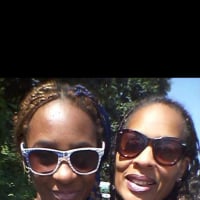
Georgia Vine has Cerebral Palsy and is currently
studying Occupational Therapy at university. Georgia has had the opportunity to
complete a virtual placement as part of her degree. In her spare time, she
writes a blog called
not so terrible palsy and is an ambassador for
CP Teens UK.

Finding a new style of work
Believe it or not I started
my virtual placement back in February before remote working was the only way
forward. This is because as an occupational therapy student I must complete a
role-emerging placement, which is working in a non-traditional occupational
therapy setting. This takes away the roles within the NHS or Social Services.
Often these placements take
place in charities where an occupational therapist isn’t present, but where
they could provide great insight. However, for my role-emerging placement we
decided to take this to a whole new level. I wanted to do a virtual placement
because some of you reading this will know the massive role that being online
has on the disabled community.
So, I thought it was an
opportunity to show how occupational therapists could be involved usefully online.
The potential benefits for virtual working
The online disabled community
is growing, and it seems like occupational therapists are not part of this. A
virtual placement works for me and my cerebral palsy because it is a lot more
flexible. This means I can work whenever I want and at my own pace.

If I have a bad night’s sleep
then I can have a few extra hours in bed and then work later. Starting work later
also works well with my fatigue levels. Another advantage is that I can sit in an
ergonomic chair that been made for me, by doing so it supports my posture and
helps to control pain. This flexibility would be harder to achieve in an
ordinary work environment.
What do you want to achieve?
As an occupational therapist,
I would look at the barriers people have to carrying out meaningful activities.
Ensuring the activity is meaningful to the person is crucial. We look at the
big picture, the individual’s point of view, the environment and the actual
occupation.
That means an occupational
therapist can help you with everything you do in the day from, getting up to
going to bed. For each activity we would analyse it to gain greater
understanding. We can grade the difficulty of an activity to help individuals
achieve more control and be as independent as they can be.
Different disabilities come
with different long-term challenges and some disabilities fluctuate. Therefore,
working from home can be the best option to help people manage their daily
struggles. Yet not working is also a choice you rightfully have, with this
having no bearing on your worth.
Working with a disability
How can individuals with
chronic fatigue hold down a 9am-5pm job?
Of course, there will be
variability. Some individuals might be able to do this, but for others it’s
hard to travel to an office and remain there all day. As a result, working
remotely can help them to maintain energy. This is because working from home
will decrease the demands on the activity which includes factors such as travel.

Also working virtually offers
a sense of normality for those who find it harder to leave the house. One of
the main aspects to maintaining our wellbeing is being productive. Working
virtually helps us to maintain a job, hobby, or just connecting with others. With
this resulting in a positive impact on both our health and wellbeing.
For me, this placement has
not been an easy ride, but the physical demand has been a lot less than my
others and therefore, my motivation to work has certainly increased!
Follow Georgia’s educational
and blogging journey by following her blog and Twitter.
How do you stay productive?
Do you think you’d benefit from remote working? Let us know in the comments
below!
References:
Bryant, W. Fieldehouse, J.
Bannigan, K. Creek, J. Beresford, P. (2014). Creek's Occupational Therapy and
Mental Health. (fifth ed.) Churchill: Livingstone Elsevier.
Duncan, E. (2011). Foundation
for practice in occupational therapy. (5th ed.). Edinburgh: Churchill
Livingstone Elsevier.
Thomas, H. (2012). Occupation-
Based Activity Analysis. California: SLACK Incorporated.
Thomas, H. (2015). Occupation-
Based Activity Analysis. (2nd ed.). United States of America: SLACK
Incorporated.