Advice on suitable pathways for wheelchair users

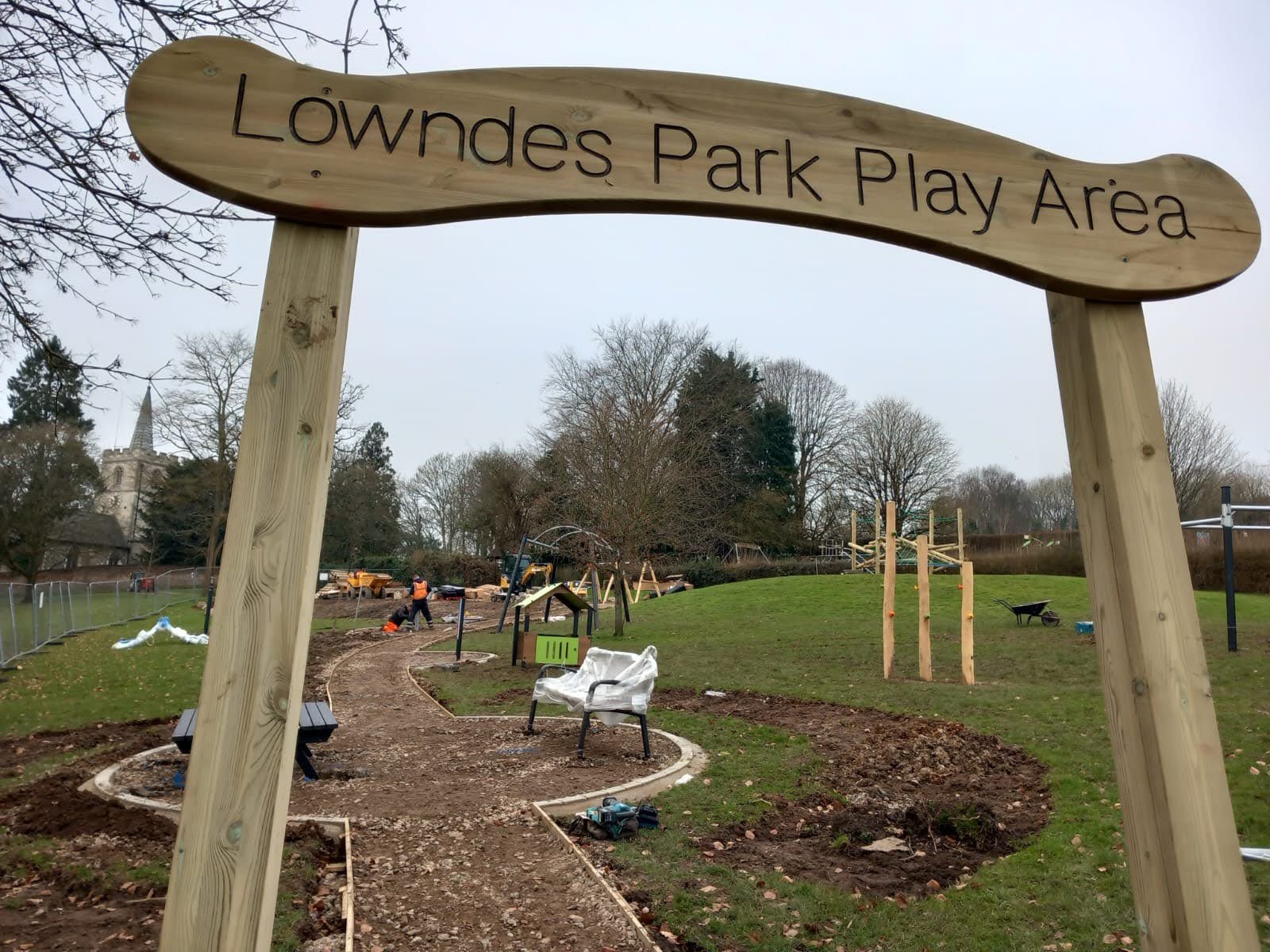
Hi! We are a fundraising group who created a new playground in our park. We put a lot of thought into making it accessible and the designers sold us a path of 'selfbinding gravel' which we were told would be suitable for wheelchair users. Alas, it has proved to be awful, neither gravel nor self binding so we are looking to replace it.
We would be grateful for some advice about which surfaces are easiest to navigate. It is a path that leads from a tarmac path to the wet pour area. We are also now fundraising for a playground for younger children so we will be looking to put the same surface on a path to that too.
I have attached a photo from before the play park was completed to show the pathway.
Thank you so much for your help.
Comments
-
Hi,
A resin pathway is likely to be the most appropriate option nowadays. They are smooth and firm so ideal for both wheelchairs and walking aids.
The cost for resin over such a large area is likely to be high, so it would be worth getting a quote first to see whether it would be affordable in this situation.
0 -
Thank you. If that isn't an option, and cost is a big consideration, what do people think of the alternatives? We were considering brick but were told that wasn't great.
0 -
Good looking little park there, @LoveLowndes, nice!
TBH very well put down tarmac, I would say. It is smooth, wonderful & noticeable, because it is rare. Bricks can be bumpy & also loosen, lift or move, not very comfortable, so, no, not great.
2 -
It's a no to brick or cobbles. Brick can work well when first laid, but time in the elements can cause the brick edges to jut out of line and cause a tip hazard for wheelchair users or a trip hazard for ambulant people.
Nice smooth tarmac is great as @JessieJ has said. However, it needs to be maintained to avoid the dreaded potholes forming over time.
2 -
Hi @LoveLowndes. Scope had a campaign a few years ago called Let's Play Fair and I've tracked down some information for you. Here's what our investigation found:
"Loose surfaces like sand or loose wood chips are extremely difficult to push a wheelchair or use mobility aids on. Grass is also difficult, particularly if it's muddy. Concrete is better as the surface doesn’t move. But a softer, rubbery floor is best. This is less likely than concrete to cause injury if a disabled child, such as a child with reduced mobility or low balance, falls on it."
Here's a link to the information which might be useful:
You could also contact PiPA Play on info@pipa-play.org. Hope that helps!
3 -
Thank you so much, that's really useful!
2 -
Smooth tarmac is the best option to be accessible throughout the year.
1




Categories
- All Categories
- 15.9K Start here and say hello!
- 7.6K Coffee lounge
- 107 Games den
- 1.8K People power
- 161 Announcements and information
- 25.3K Talk about life
- 6.2K Everyday life
- 504 Current affairs
- 2.5K Families and carers
- 874 Education and skills
- 2K Work
- 586 Money and bills
- 3.7K Housing and independent living
- 1.2K Transport and travel
- 645 Relationships
- 1.6K Mental health and wellbeing
- 2.5K Talk about your impairment
- 883 Rare, invisible, & undiagnosed conditions
- 942 Neurological impairments and pain
- 2.2K Cerebral Palsy Network
- 1.3K Autism and neurodiversity
- 40.9K Talk about your benefits
- 6.1K Employment & Support Allowance (ESA)
- 20.3K PIP, DLA, ADP & AA
- 9.2K Universal Credit (UC)
- 5.3K Benefits and income