🌻 Stress Awareness Week - The Effects of Stress🌻

So far this week we've looked at the difference between stress and pressure, some simple coping mechanisms, and mindfulness. Today we'll look at how stress affects us.
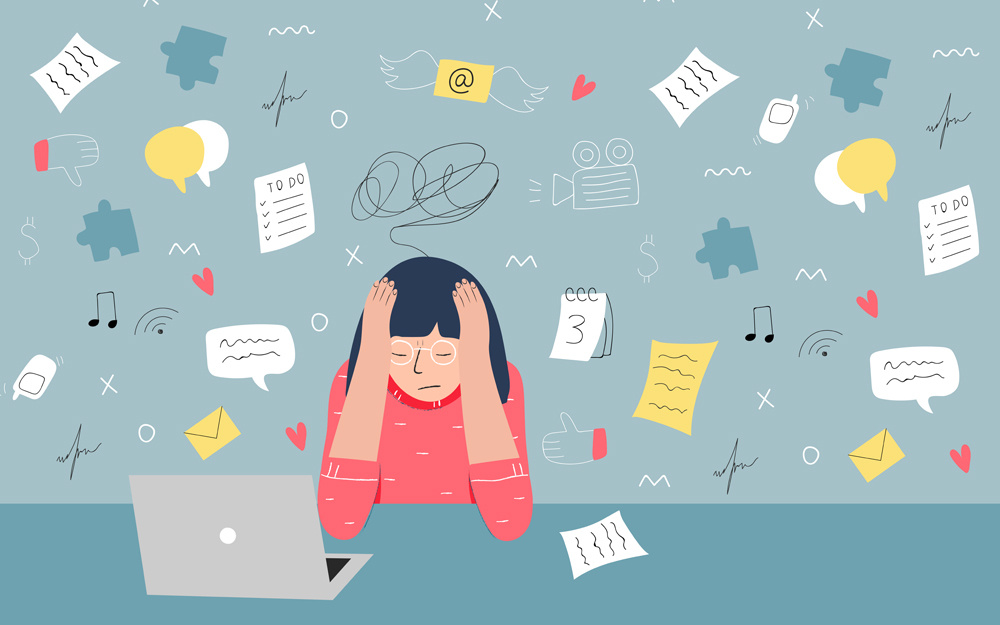
Stress is a natural response to challenges or threats, but when it becomes chronic, it can have significant effects on the body. Understanding how stress impacts your physical health can help you take steps to manage it effectively.
Nervous System
Stress activates the body's "fight or flight" response, leading to the release of hormones like adrenaline and cortisol. These hormones prepare the body to respond to perceived threats, increasing heart rate, blood pressure, and energy levels. While this response is beneficial in short bursts, prolonged activation can lead to health issues.
Cardiovascular System
Chronic stress can contribute to heart problems. The constant increase in heart rate and blood pressure can strain the heart and blood vessels, increasing the risk of hypertension, heart attacks, and strokes.
Immune System
Stress can weaken the immune system, making you more prone to infections and illnesses. Cortisol, the stress hormone, can suppress immune function, reducing the body's ability to fight off pathogens.
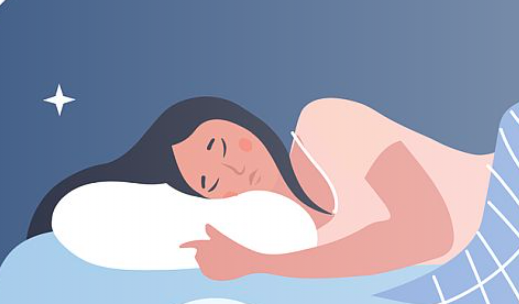
Sleep Patterns Stress can disrupt sleep, leading to insomnia or poor sleep quality. Lack of restful sleep can further exacerbate stress, creating a cycle that impacts overall health and well-being.
Digestive System
Stress can affect digestion, leading to issues such as stomachaches, nausea, and changes in appetite. It can also exacerbate conditions like irritable bowel syndrome (IBS) and acid reflux.
Musculoskeletal System Stress can cause muscle tension, leading to headaches, back pain, and other musculoskeletal issues. Prolonged muscle tension can contribute to chronic pain conditions.
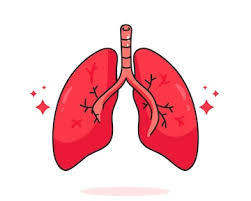
Respiratory System
Stress can exacerbate respiratory conditions like asthma. The body's response to stress can lead to rapid breathing or hyperventilation, which can be problematic for people with respiratory issues.
While stress is a natural part of life, chronic stress can have serious effects on the body. By understanding how stress impacts various systems, you can take steps to manage it effectively. Incorporating stress management techniques such as mindfulness, physical activity, and self-care into your routine can help mitigate these effects and promote better health.
What effects do you recognise? Are there any others that you experience?
Categories
- All Categories
- 16.4K Start here and say hello!
- 7.7K Coffee lounge
- 120 Games den
- 1.8K People power
- 199 Announcements and information
- 25.8K Talk about life
- 6.2K Everyday life
- 434 Current affairs
- 2.5K Families and carers
- 897 Education and skills
- 2K Work
- 629 Money and bills
- 3.8K Housing and independent living
- 1.2K Transport and travel
- 678 Relationships
- 1.6K Mental health and wellbeing
- 2.6K Talk about your impairment
- 885 Rare, invisible, & undiagnosed conditions
- 947 Neurological impairments and pain
- 2.3K Cerebral Palsy Network
- 1.3K Autism and neurodiversity
- 41.7K Talk about your benefits
- 6.2K Employment & Support Allowance (ESA)
- 20.6K PIP, DLA, ADP & AA
- 9.5K Universal Credit (UC)
- 5.4K Benefits and income