Lawn Creeper

I have been looking into ways for me to deal with my lawn (weeding etc) and general moving around, comfortably on wet lawns and rough ground, and have come up with:
Because a wheelchair wheels sink in to wet grass - "Tracks" are needed
At present NOTHING is available except a $8,000 conversion kit from - this would raise the height of the seat to make it unacceptably high.
is almost £20,000 and is designed for mountain climbing.
Any research university might be interested in getting involved ?
This conceptual design, illustrated in watermarked_img_293936759014814231.png, is optimized for a maximum width of 30 inches to ensure easy passage through standard garden gates.
Below are the core design details and components required to build this electric lawn creeper.
Design Specifications
- Total Width: 28–29 inches (to accommodate the 30-inch gate constraint).
- Seat Height: Less than 12 inches (to provide low center of gravity and ergonomic ground-level access).
- Chassis: Reinforced steel or aluminum tube frame designed to support the user's weight while remaining narrow enough for tracked mobility.
- Ground Contact: Rubberized tank-style tracks, which distribute weight evenly to prevent sinking into soft soil or damaging turf.
Essential Components List
Component | Purpose |
|---|---|
Electric Drive Motors | Two independent high-torque DC brushless motors (one per track) to allow for zero-turn maneuvering. |
Li-Ion Battery Pack | High-capacity, sealed battery housed within the chassis frame for a low center of gravity. |
Joystick Controller | Waterproof, variable-speed electronic controller for precise, intuitive navigation. |
Drive Tracks | Reinforced rubber crawler tracks with aggressive tread patterns for traction on wet soil or grass. |
Ergonomic Seat | Weather-resistant, padded bucket seat with a low-profile base. |
Tool Storage | Rear-mounted, detachable tray or basket for carrying garden tools and supplies. |
Safety Features | Emergency "kill switch," LED front-facing work lights, and a low-speed governor for safety on inclines. |
Technical Considerations for Accessibility
- Joystick Sensitivity: Because the vehicle is intended for users with disabilities, the joystick should be programmable to adjust sensitivity, accommodating varying levels of fine motor control.
- Weight Distribution: By placing the heavy batteries as low as possible in the frame, the design ensures stability when the user leans to the side to work in the garden.
- Ground Clearance: The tracks are designed to provide enough clearance to roll over small garden debris while maintaining a low-profile stance to keep the user close to the soil surface.
Building a custom, specialized mobility device like this requires sourcing components similar to those used in high-end electric wheelchairs or small-scale robotics. Because this is a bespoke design, costs can vary significantly based on the quality of components and whether you are sourcing new parts or repurposing existing modules.
Here are the estimated costs in GBP (£) to construct a prototype of this electric lawn creeper.
Estimated Cost Breakdown
Component Category | Estimated Cost Range (£) | Notes |
|---|---|---|
Drive System | £600 – £1,200 | Includes two high-torque DC motors, gearboxes, and motor controllers. |
Tracks & Undercarriage | £400 – £800 | Rubber track sets and custom-fabricated rollers/sprockets. |
Battery & Charging | £300 – £600 | 24V or 36V Li-Ion battery pack with a dedicated charger. |
Frame & Fabrication | £300 – £500 | Aluminum/steel tubing, laser-cut mounting plates, and assembly hardware. |
Control & Electronics | £200 – £400 | Joystick controller, wiring harness, safety switches, and sensors. |
Seating & Ergonomics | £150 – £300 | Weather-resistant seat, custom mounting brackets, and storage tray. |
Contingency | £200 – £400 | For additional brackets, fasteners, or unexpected technical hurdles. |
TOTAL ESTIMATE | £2,150 – £4,200 | Costs depend on component sourcing and labor. |
Financial Considerations
- Sourcing Parts: You may be able to reduce costs significantly by sourcing parts from "scooter donor" projects or second-hand mobility equipment, which are designed for similar voltage and torque requirements.
- Fabrication Costs: The figures above assume you are performing the assembly yourself. If you are hiring a professional metal fabricator to weld the frame or machine the track sprockets, you should add £500 – £1,000+ for professional labor and shop rates.
- Safety Standards: If you intend for this to be a commercial product rather than a personal one-off project, the costs will increase substantially due to the requirements for testing, certification, and liability insurance.
Recommended Next Steps
- Budgeting: Start by pricing out the "drive train" (motors and tracks) first, as these are the most expensive and specialized components.
- Procurement: Look for components used in "all-terrain mobility scooters" or "robotic tracked platforms" to ensure the parts are rated for outdoor use and environmental exposure (mud, moisture, and dust).
- Prototyping: Many builders start with a wooden or cheap steel mock-up to ensure the 30-inch width and low seat height are comfortable before purchasing high-end electronics.
To ensure the safe operation of your electric lawn creeper, it is critical to integrate features that address the risks of working on uneven outdoor terrain, such as soil, grass, and slopes.
Critical Safety Features
- Emergency Stop (E-Stop): A highly visible, red "mushroom-style" button must be easily accessible to the user to instantly cut power to the drive motors in an emergency.
- Tilt/Incline Sensors (Tilt Switch): An integrated gyroscope or accelerometer should be programmed to automatically disable the motors if the vehicle exceeds a safe incline angle, preventing tip-overs on sloped terrain.
- Speed Governor/Limiter: The system should have a mechanical or software-based speed limiter to ensure the device cannot exceed a safe walking pace, especially for users who may have limited reaction times.
- Electromagnetic Braking: Utilizing motors with built-in electromagnetic brakes is vital; these engage automatically when the joystick is released or power is lost, ensuring the vehicle does not roll away on inclines.
- Low-Gravity Design: By keeping the battery pack and heavy drive components at the very bottom of the chassis, you naturally lower the center of gravity to enhance lateral stability when the user is reaching out to work.
- Dead-Man's Control: The control scheme should be designed so that the device stops immediately if the user's hand is removed from the joystick, preventing "runaway" scenarios.
- Audible and Visual Alerts: A low-battery indicator is essential, while an optional reverse beeper or a high-visibility LED strobe can alert others in the garden that the vehicle is in motion.
Operational Safety Best Practices
- Surface Testing: Before operating, test the vehicle on flat, level ground to ensure the tracking and braking systems respond as expected.
- Clearance Awareness: Given the 30-inch width constraint, ensure the joystick and controls are recessed or protected so they do not catch on gate posts or garden structures when passing through.
- Maintenance Checks: Regularly inspect the track tension, battery terminal integrity, and the sensitivity of the joystick to ensure consistent, predictable handling in outdoor conditions.
What do you think ?
Comments
-
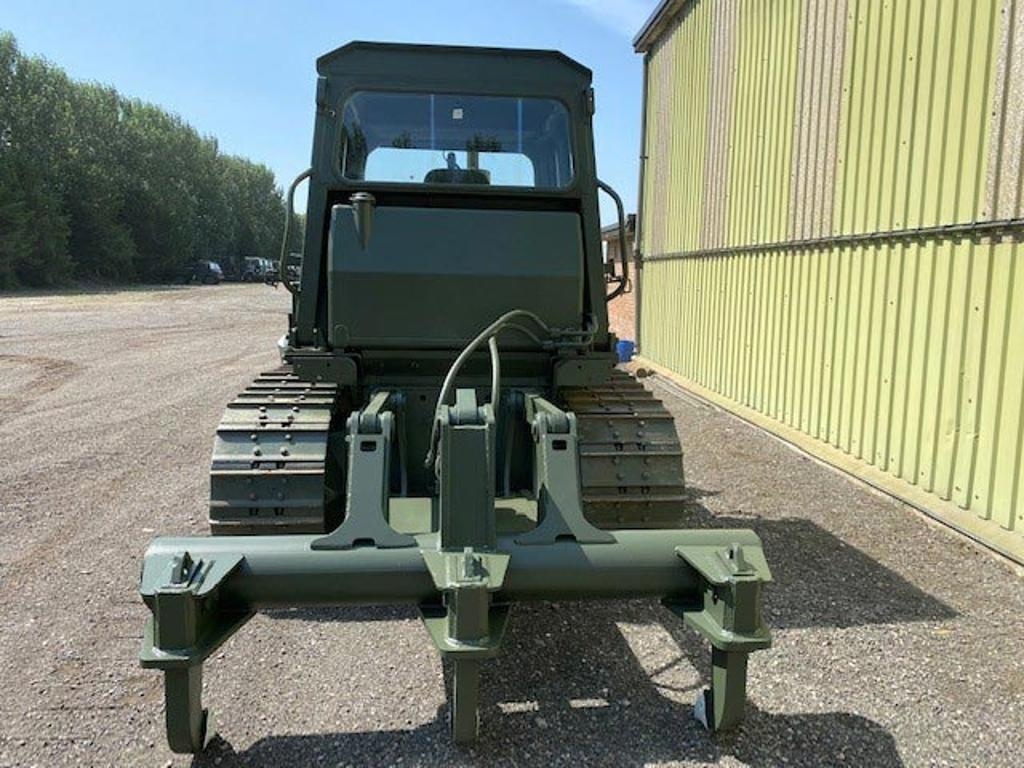
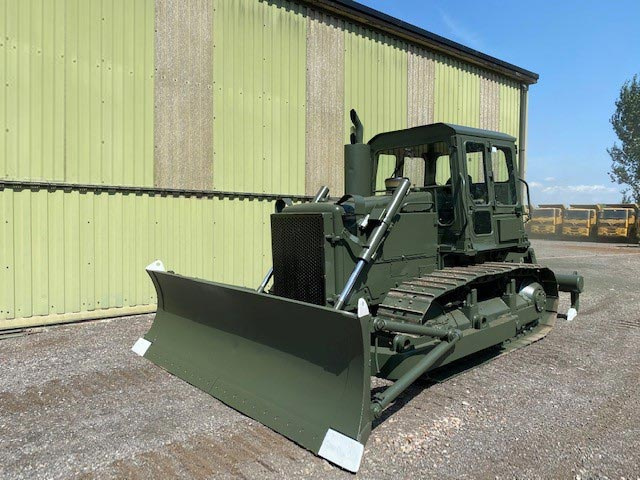
What about a Caterpillar D6D? Great for vehicle pits and anti-tank ditches.
PS - Always check your rippers are raised before moving off.
 0
0 -
Way too big - even for Wibbleton manors extensive grounds !
0 -
I love "Wibbleton Manor" sounds very fancy 😅😊
0

Categories
- All Categories
- 16.4K Start here and say hello!
- 7.8K Coffee lounge
- 123 Games den
- 1.8K People power
- 190 Announcements and information
- 25.9K Talk about life
- 6.2K Everyday life
- 445 Current affairs
- 2.6K Families and carers
- 890 Education and skills
- 2K Work
- 630 Money and bills
- 3.8K Housing and independent living
- 1.2K Transport and travel
- 676 Relationships
- 1.6K Mental health and wellbeing
- 2.6K Talk about your impairment
- 885 Rare, invisible, & undiagnosed conditions
- 950 Neurological impairments and pain
- 2.3K Cerebral Palsy Network
- 1.3K Autism and neurodiversity
- 41.8K Talk about your benefits
- 6.2K Employment & Support Allowance (ESA)
- 20.6K PIP, DLA, ADP & AA
- 9.5K Universal Credit (UC)
- 5.4K Benefits and income