🌱 Exploring ideas for community living & healing spaces
Hi everyone,
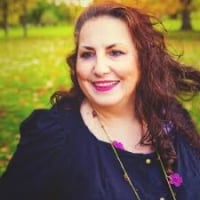
I’m Marybel and I live with fibromyalgia. Something that really helps me is creativity, and I’ve been dreaming about how we might design more supportive spaces for disabled people to live and heal together.
Would anyone here be interested in something like this? 💭 A community where:
- Hot hydrotherapy and gentle wellness options are available (which I find really soothing for fibro pain)
- Homes are co-designed with disabled individuals, to fit real needs and preferences
- Regenerative agriculture and permaculture support sustainable living
- Creative arts, exhibitions, and workshops are part of the healing process
- There’s a strong sense of kindness, shared spaces, and community connection
I’d love to know if this resonates with anyone else here — whether you live with fibromyalgia, are interested in art therapy, or simply like the idea of reimagining community life together.
Looking forward to your thoughts ✨
xxxMarybel
Comments
-
Hey Chris,
Lovely to meet you and thank you for your comment. I am curious, why Rod Stewart?
Thanks
Marybel
0 -
Sounds great and I think there might be many celebrities and other influential people who could be interested in seeing more intentional communities focussed on solving problems and living better lives sharing resources. 😇
0 -
Thank you so much for your thoughtful response and warm welcome. I really appreciate you taking the time to reflect on my ideas in such a detailed and kind way.
I completely understand what you mean about those new over-50s villages. That’s exactly what I hope to avoid: creating somewhere that prioritises comfort, accessibility, and purpose over marketing gloss.
I love your observations about hydrotherapy, creative workshops, and shared spaces. That is exactly the vision—practical, healing, and rooted in real needs. Your point about bodies “the world is not built for” resonates deeply; designing with those realities in mind is at the heart of what I hope this project could be.
Funding is definitely available, hidden under tons of red tape, and you’re right that many polished models attract investment more easily than thoughtful, inclusive ones. I’ve been exploring how cooperative and regenerative models could work in practice. For example, I’ve seen barns and farms available on lease for regenerative projects. With a permaculture background and experience in gardening, I’ve witnessed how abundant and self-sustaining nature can be when nurtured respectfully.
There are inspiring examples, like the eco-village in France with low inclusive living costs (200 euros), and of course Findhorn in Scotland (https://www.ecovillagefindhorn.com), which show that cooperative, intentional communities can thrive. My thinking is that we could find suitable land, gather a group of like-minded people to co-create the project, agree on a house code that reflects everyone’s needs, and develop a management structure based on consensus. This would allow the project to be resident-supported, evolving together, rather than relying solely on outside investment.
I was going to start a new discussion thread based on this when my laptop folded in, but I’ll try again today. I’d love to explore this further and share ideas about how such a community could really work in practice. Your perspective on lived experience with mobility challenges adds so much clarity to what’s essential, and I’d value your continued input.
0
Categories
- All Categories
- 16.4K Start here and say hello!
- 7.8K Coffee lounge
- 123 Games den
- 1.8K People power
- 191 Announcements and information
- 25.9K Talk about life
- 6.2K Everyday life
- 444 Current affairs
- 2.6K Families and carers
- 889 Education and skills
- 2K Work
- 630 Money and bills
- 3.8K Housing and independent living
- 1.2K Transport and travel
- 674 Relationships
- 1.6K Mental health and wellbeing
- 2.6K Talk about your impairment
- 885 Rare, invisible, & undiagnosed conditions
- 949 Neurological impairments and pain
- 2.3K Cerebral Palsy Network
- 1.3K Autism and neurodiversity
- 41.8K Talk about your benefits
- 6.2K Employment & Support Allowance (ESA)
- 20.6K PIP, DLA, ADP & AA
- 9.5K Universal Credit (UC)
- 5.4K Benefits and income