Alzheimer's is the leading cause of dementia (responsible for 60-70%) and is a progressive brain disorder affecting thinking and memory, alongside people’s ability to function daily. This year’s theme is “Ask about Dementia. Ask about Alzheimer’s.”
There are 55 million people in the world affected by Alzheimer's therefore it’s no surprise today exists to challenge the stigma and promote early diagnosis to better improve chances of managing and prolonging the impacts of the disease.
Spotting the early symptoms
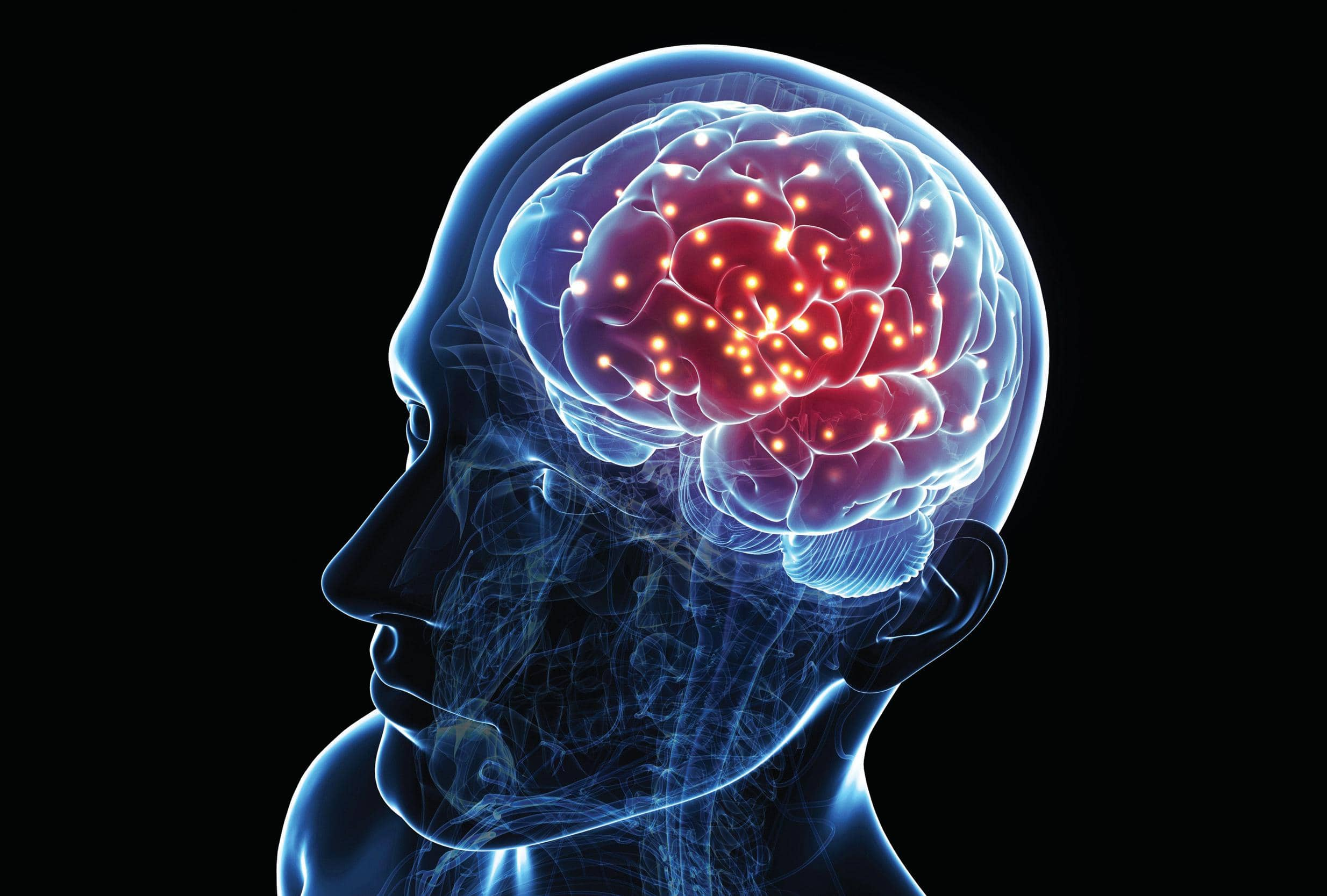
The symptom stages of Alzheimer's are generally split in to 3; early, middle, and later. It's important for us to be aware of these, especially the early symptoms. Some of these early symptoms as provided by the NHS include:
- forgetting the names of places or objects
- forgetting about recent events or conversations
- asking questions repeatedly
- having trouble thinking of the right word
- misplacing items
- showing poor judgement or finding it more difficult to make decisions
- becoming less flexible or less likely to try new things
- potential mood changes for instance increased anxiety or agitation or periods of confusion
Understanding these early symptoms can help improve the effectiveness of the treatment. It's important if you are worried about your memory or other symptoms, that you contact your GP. You can read more about the process of diagnosis here: Alzheimer's disease - Diagnosis - NHS
How can I reduce my risk? 💜
- Proactively look after your long-term health. This includes going for health checks and eating well. An unhealthy diet, high blood pressure, high cholesterol or diabetes are linked to an increased risk.
- Participate in physical exercise. With a combination of aerobic and strength-training exercises, you can help to reduce your risk. Exercise is also good for your heart and circulation and mental wellbeing.
- Protect your eye sight and hearing. Both of which increase your potential of developing dementia. Hearing loss might also be an early symptom and using an aid has been proven to reduce the risk.
- Depression and social isolation both have been linked to dementia. It’s important to seek support from your GP if you begin to feel depressed, anxious or low. By taking part in social activities, it helps to help improve your mood and the brains capacity to relieve stress.
- Avoid smoking. This habit does a great deal of harm to the blood circulation, especially the vessels in the brain alongside the heart and lungs. If you do smoke, it’s not too late to quit and the earlier you do so, the less damage is done to your body.
- Reducing your alcohol intake. It’s beneficial to ensure you drink less than 14unitsa week. Drinking alcohol increases harmful chemicals in the brain and drinking more than this increases the potential damage to your brain and other organs.
How can I help today?

- Raise awareness, talk to others about Alzheimer's
- Become a campaigner
- Take part in a local memory walk
- Donate to a charity
Some useful links if you'd like to learn more: