Celebrating LGBTQ+ History Month: a cerebral palsy lens

LGBTQ+ History Month celebrates LGBTQ+ culture, history, and achievements. It is also a time to think about the progress we still need to make.
You may hear the word intersectionality this month. This means that some people face more than one type of discrimination. For example, someone can be both gay and disabled.
CP Network supports all people with cerebral palsy. We recognise that people who are part of more than one marginalised group often face extra barriers and discrimination.
This LGBTQ+ History Month, we want to highlight important people who are part of both the cerebral palsy and LGBTQ+ communities.
Rosie Jones
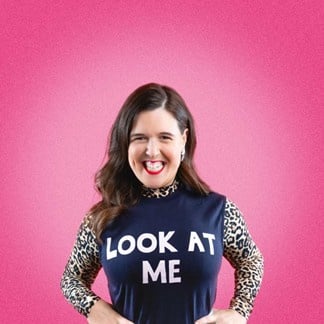
It goes without saying that Rosie Jones is a CP icon. She is an actor, comedian, and writer. She amplifies disabled voices through her creative work, including the sitcom Pushers. The show set new standards for representation both on and off-screen.
Beyond her roles as a writer and actor, Rosie supports campaigns for minority rights. In 2025, she launched The Rosie Jones Foundation. The charity provides counselling led by people with lived experience of cerebral palsy. It also offers events and workshops that help build community. She is even nominated for a Scope award!
Aaron Rose Phillip
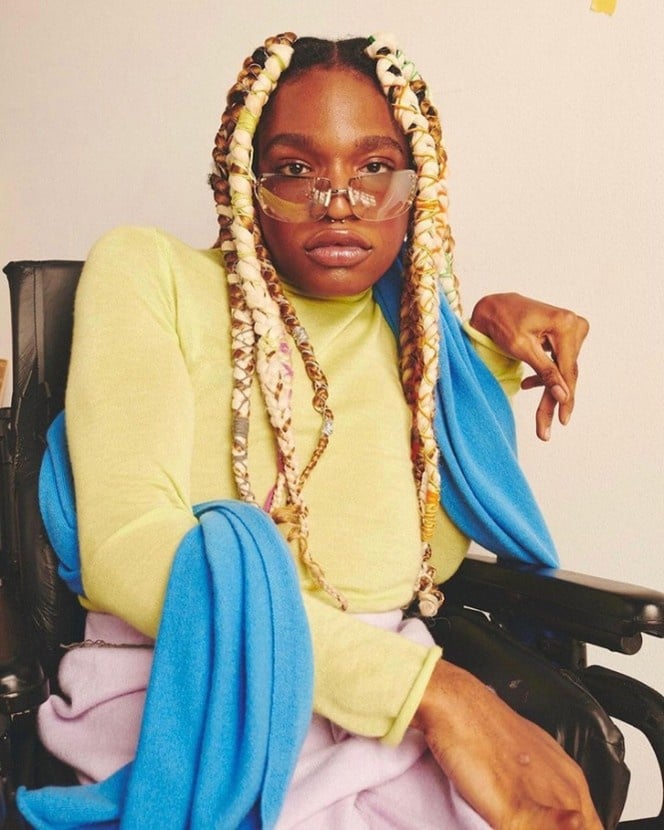
Aaron is the first trans, Black, physically disabled model. She has modelled for high street fashion and appeared on the cover of Vogue. Aaron has spoken openly about the need for better disability representation in fashion. She wants people to understand that disabled people can be fashionable. She strongly believes that diversity belongs in fashion. She continues to encourage more disabled models to join the industry.
She said in V Magazine:
“I will continue to address and bring to light the inequities within Black trans presence in the fashion industry. There should be more of us in every facet [of the industry,] whether it’s behind or in front of the camera, or on set.”
Andrew Gurza
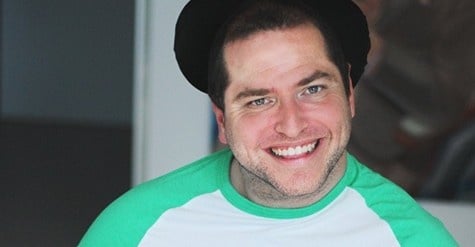
Andrew Gurza is an award‑winning Disability Awareness Consultant from the United States. He has advocated for a better understanding of disability, sex, and sexuality. On his podcast Disability After Dark, he tells stories from disabled people who are often left out. He talks openly about being disabled and gay, and how these identities overlap. He also speaks about the ableism he has faced within the LGBTQ+ community. As well as queerphobia within the disability community.
He has also shared his experience of using male escorts to support his intimacy needs. He shows that sex is for everyone.
In the Huffington Post, he said:
“For people like me — a queer cripple with a healthy sexual appetite — it allows me to access my body and sexuality in a way that makes me feel powerful, sexy, and important, all things that we don’t usually associate with disability.”
Diversity is our strength in our community. It helps us understand how people with CP have different lived experiences. It also helps us be better allies, standing up for everyone with CP — not just the most privileged.
Categories
- All Categories
- 16.4K Start here and say hello!
- 7.8K Coffee lounge
- 123 Games den
- 1.8K People power
- 191 Announcements and information
- 25.9K Talk about life
- 6.2K Everyday life
- 444 Current affairs
- 2.6K Families and carers
- 889 Education and skills
- 2K Work
- 630 Money and bills
- 3.8K Housing and independent living
- 1.2K Transport and travel
- 674 Relationships
- 1.6K Mental health and wellbeing
- 2.6K Talk about your impairment
- 885 Rare, invisible, & undiagnosed conditions
- 949 Neurological impairments and pain
- 2.3K Cerebral Palsy Network
- 1.3K Autism and neurodiversity
- 41.8K Talk about your benefits
- 6.2K Employment & Support Allowance (ESA)
- 20.6K PIP, DLA, ADP & AA
- 9.5K Universal Credit (UC)
- 5.4K Benefits and income