Breaking the sex taboo: Andrew Gurza

As it is Pride Month, I wanted to highlight a trailblazer in the cerebral palsy community. I have known about Andrew Gurza since my second year of university. I was writing an essay about sexuality and disability. That is when I found #DisabledPeopleAreHot. Gurza created it. I have been a fan ever since.
I have mentioned Andrew Gurza before, but I want to go deeper into his activism. Especially his work on sex and sexuality.
Andrew Gurza is a queer disabled person. They have cerebral palsy. They are a disability consultant, activist, and author.
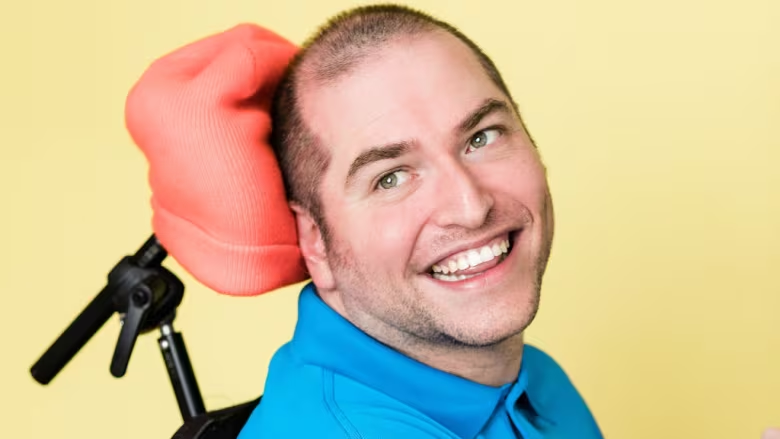
For me, Gurza shows why we need to talk about identity in a joined-up way. Not in isolation. This is intersectionality. They talk about their own identities and the barriers they face. They also highlight the need for more diversity in both LGBTQ+ and disability spaces. Especially for transgender people and people of colour.
When we think about issues for disabled people, sex and sexuality are often left out. This leads to marginalisation. It also means poor sex education and little representation of intimacy in the media. We need to change this. We need to talk more.
Andrew speaks openly about their life. They talk about the challenges of finding a long-term partner. They also share how dating as a disabled person can feel more vulnerable. We often have to be clear about our needs. In LGBTQ+ spaces, Andrew says there can be awkwardness. People may show pity or not see disabled people as partners.
I really value their honesty about sex and intimacy. They talk about how important intimacy is for disabled people. It is not something to feel ashamed of. They have shared that they use sex workers to meet their needs. They also call for an intimacy budget in the benefits system. Why should disabled people’s intimacy needs be ignored? We all deserve that.
For me, Andrew shows why we must keep challenging this. Disabled people can be partners. We have wants and needs. That includes intimacy. We also need more accessible LGBTQ+ spaces.
Categories
- All Categories
- 16.4K Start here and say hello!
- 7.8K Coffee lounge
- 123 Games den
- 1.8K People power
- 191 Announcements and information
- 25.9K Talk about life
- 6.2K Everyday life
- 444 Current affairs
- 2.6K Families and carers
- 889 Education and skills
- 2K Work
- 630 Money and bills
- 3.8K Housing and independent living
- 1.2K Transport and travel
- 674 Relationships
- 1.6K Mental health and wellbeing
- 2.6K Talk about your impairment
- 885 Rare, invisible, & undiagnosed conditions
- 949 Neurological impairments and pain
- 2.3K Cerebral Palsy Network
- 1.3K Autism and neurodiversity
- 41.8K Talk about your benefits
- 6.2K Employment & Support Allowance (ESA)
- 20.6K PIP, DLA, ADP & AA
- 9.5K Universal Credit (UC)
- 5.4K Benefits and income