Should medical records transfer between GP surgeries ?

Mine have not - the years 1989 - 1994 are devoid of any records at all - which concerns me because I have over 500 pages of A4 records from this time from my old surgery and hospitals - my present GP has been asked to help with a historic DWP claim but will be unable to do so from their records !
Comments
-
Yes, definitely should be transferring these records when you switch. They're usually very good at asking for your previous surgery information so they can action that.
What have they said about next steps forward to getting that information?
0 -
The GP evidently has full access to all of my records - they just hide them from patients …..
0 -
My proof is that 12 months ago - ALL of my records were available to me - then they started to disappear - now they only let me (and my father, who is at the same surgery) - see the last 12 months of our OWN records.
They told me to try NHS for my records - that's not limited to 12 months (they appear to have up to 10 years records available) but many are missing from the last 12 months and most are missing from the last 10 years ! As I have had multiple health issues over the last 2 decades+ - I must have had over 500 entries with attachments (docs) - there are now about 50 entries in total in NHS records !
0 -
They should be transferred when moving, mine weren't when i re-located 400 miles away form my previous area. Every time i go and say do you not have records of doc/hospital appts. from 5, 10 years ago, they give me a blank expression then come up with stupid excuses! My experience generally with GP's are that they just seem reticent to share info, like explaining blood tests etc, not knowing that you've just had an appt. with a consultant recently etc, although that's not their fault entirely, dialogue between docs and hospitals seem non existent at times……🤔
0 -
It seems so silly that they don't automatically transfer your records, especially if it's all under the NHS. Maybe different trusts have different systems which make it difficult to share data?
0 -
Is anyone else's surgery reducing access to records ?
mine is - by cutting availability down to just the last 12 months and reducing the actual number of records available
0 -
I have almost no contact with my surgery, I don't know or care what records they may keep relating to me. I find it best to just get on with things.
0 -
For me - I need up to 36 years worth of historical records for my IIPD claim…..
I just wondered whether it was a general policy to reduce the patients viewing allowance ?
0 -
I'm not sure it's a general policy @Wibbles. It's probably more to do with the large number of files that would be involved. Do you mind me asking what IIPD is?
0 -
I meant IIDB - Industrial Injuries Disablement Benefit
0 -
I wanted to find medical records from my time in the town I lived in but was told they were not available. Likewise hospital records from the time I was born had been destroyed.
0 -
Deleted - wrong thread.
0 -
Medical Records should not be destroyed until several years after your death - BY LAW !
1. Request a formal explanation
Ask the hospital’s Records Manager or Information Governance Lead to confirm:
- Whether the records were lost, misfiled, or destroyed
- When and under what retention policy they were destroyed
- What searches have been conducted
NHS organisations must make reasonable and proportionate searches for missing records and be transparent if records were lost or destroyed .
2. Submit a Subject Access Request (SAR)
Even if records are destroyed, the organisation must still respond to a SAR and:
- Provide any surviving data from other systems
- Provide metadata (dates of treatment, clinicians involved, referrals, discharge summaries)
- Provide an account of the destruction
You have a legal right to obtain any personal data still held .
3. Ask for reconstruction of the record
Hospitals can often rebuild partial records from:
- GP records
- Diagnostic systems (radiology, pathology)
- Clinic letters
- Electronic Patient Record (EPR) audit logs
- Correspondence with other departments
Retention schedules require many of these to be kept for 8 years for adult care records, 11 years for dental records, and longer for children’s records .
Establish whether destruction was lawful
4. Check the retention schedule
Most adult hospital records must be kept 8 years after last treatment; children’s records until age 25 or 26; dental records 11 years.
If your records were destroyed before the minimum retention period, this is a breach of the NHS Records Management Code of Practice .5. Request the destruction log
Hospitals must document:
- What was destroyed
- When
- Under what authority
- The method of destruction
NHS guidance states that records must never be automatically destroyed and decisions must be documented .
Escalation routes if the hospital cannot account for the records
6. Raise a formal complaint with the Trust
Ask for:
- A full investigation
- A timeline of events
- Evidence of compliance with retention policy
- Confirmation of searches conducted
7. Complain to the ICO
The Information Commissioner’s Office expects organisations to:
- Keep records secure
- Protect against loss or accidental destruction
- Be transparent when records are lost or destroyed
If destruction was premature or unexplained, the ICO may investigate.
8. Consider legal advice
Destroyed records can affect:
- Clinical negligence claims
- Benefits or pension evidence
- Safeguarding or social care matters
Solicitors can request disclosure, preservation logs, and audit trails.
Additional steps that often help
9. Check GP records
GPs often hold:
- Hospital letters
- Discharge summaries
- Test results
These can partially reconstruct missing hospital notes.
10. Request records from other departments
Examples:
- Radiology (X-rays, scans)
- Pathology (lab results)
- Physiotherapy
- Occupational therapy
These systems often store data separately and may still hold your information.
0 -
I was born in King’s College Hospital in 1983, I sent them an email asking about my birth records and they said that after a certain period of time they would be deported. Likewise for my records in Manchester as well.
0 -
Maternity and obstetrics records are kept for 25 years after the birth of the last child. For a child's own personal health records, they are typically retained until the patient reaches their 25th birthday (or 26th if treatment ended at age 17).
Maternity Records
- Duration: 25 years
- Start point: After the birth of the last child
- Includes: Obstetric, midwifery, and neo-natal care notes
Child Health Records
- Duration: Until the 25th or 26th birthday
- Start point: Date of birth
- Includes: Midwifery, health visiting, and school nursing logs
0 -
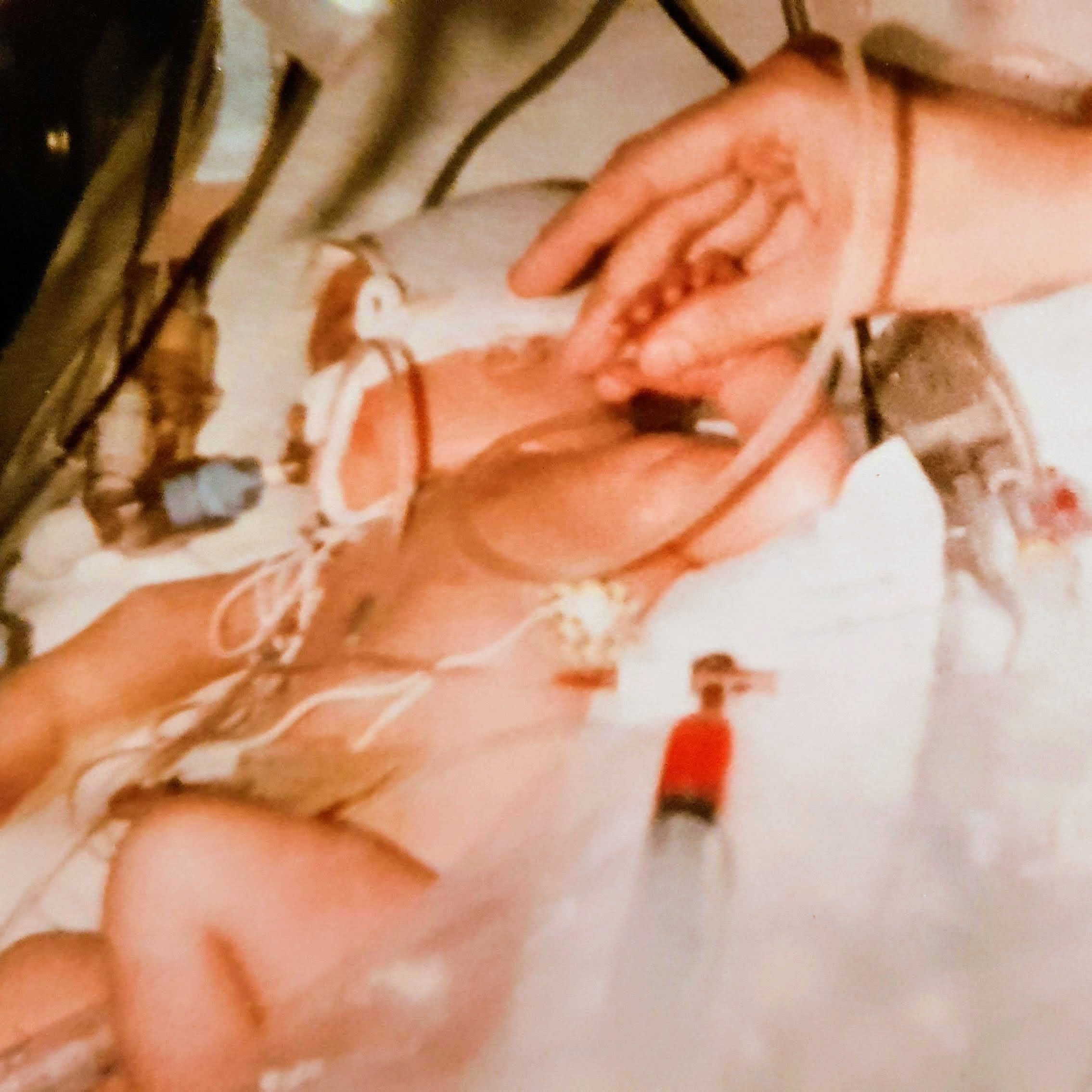
I was born 3 months premature, weighing only 4lbs, but overnight I dropped to the weight of a bag of Sugar after losing all my fluids. They had to perform CPR on me on a couple of occasions, I was born on a Thursday and they were that concerned that I wouldn’t survive they had my family come down from Oldham and had me christened by the Sunday. My Mum had a big A4 folder that probably weighed a ton with many years of medical notes and what not, somehow they made it mysteriously disappear. I contacted the Hospital where I was born but sadly my records from that period had been destroyed, likewise my notes in Manchester & Oldham.
0 -
I no longer have any access at all, when I used to have access. They removed it at the same time they removed my ability to book online appointments.
0 -
So you haven't actually raised a SAR?
I suggest that is your next step
0 -
The first ten years of my medical records do not exist. I didn't find that out until about 10 years ago. Those ten years were crucial to my life and health and I was truly surprised.
0 -
I have sent three emails out to three different authorities requesting access to old medical records from hospital, one emailed back asking for ID which is good, just have to wait on the other two. I just want to fill in gaps in my medical history.
0






Categories
- All Categories
- 16.4K Start here and say hello!
- 7.8K Coffee lounge
- 123 Games den
- 1.8K People power
- 190 Announcements and information
- 25.9K Talk about life
- 6.2K Everyday life
- 445 Current affairs
- 2.6K Families and carers
- 890 Education and skills
- 2K Work
- 630 Money and bills
- 3.8K Housing and independent living
- 1.2K Transport and travel
- 676 Relationships
- 1.6K Mental health and wellbeing
- 2.6K Talk about your impairment
- 885 Rare, invisible, & undiagnosed conditions
- 950 Neurological impairments and pain
- 2.3K Cerebral Palsy Network
- 1.3K Autism and neurodiversity
- 41.8K Talk about your benefits
- 6.2K Employment & Support Allowance (ESA)
- 20.6K PIP, DLA, ADP & AA
- 9.5K Universal Credit (UC)
- 5.4K Benefits and income