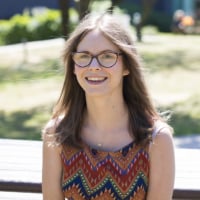
Chloe is 21 years old, and last week she graduated with a
BSc in Psychology and Child Development. She has mild cerebral palsy, amplified
musculoskeletal pain disorder and became registered as partially sighted during
the second year of her degree.
When I started university, I knew my experiences would
differ from my peers. I never saw this as a bad thing, yet certain things in
the lead up to me starting weren’t quite the same as everyone else. Due to my
own needs, moving away to university wouldn’t have been possible without the
support of Personal Assistants (PAs) and this is something I found daunting and
exciting.

Prior to university I had relied on family and friends to
get from one place to another and to ensure I was safe while out in public. I
cannot thank them enough for doing this, yet I couldn’t help but feel a bit in
the way or like I was a hassle. It also quickly became apparent that I had
little spontaneity as it very much depended on whether friends wanted to go
shopping or to the cinema. I hoped a PA would give me a level of freedom and
the chance to do the things I wanted to, and they did!
However, when people were getting to know their flatmates, I
was also getting to know this stranger who now arrived at my bedroom door at
8am every day. I was learning how this professional but intimate relationship
would work, and they were learning what my needs were. It worked out really
well, but initially it did take a lot of getting used to. Having a PA enabled
me attend events, get to lectures in one piece and be there during high pain
days.
I was well into my first year of university. Lectures were
going well; I had really supportive lecturers and I was loving the course I’d chosen
to study. Things were settled with the two PAs I had and the whole thing was
working! University, socialising and independence. It was all I wanted from the
experience.
Then I started to notice a change in my vision. I could no
longer see what was projected in lectures and my peripheral vision quickly
reduced. I wore glasses but they suddenly didn’t help. After various tests, a
few months of going backwards and forwards to the hospital, they came to a
conclusion. My glasses now only minimally corrected my sight, I was registered
as partially sighted and was on a waiting list to learn how to use a long cane.
Everything that was once settled, needed to undergo a
process of adjustment —one that still continues to this day.
To an outsider’s perspective, it was as if I’d gone blind
over the summer as I began my second year using a long white cane. I feared a
lack of understanding and judgment as I appreciate it is not the easiest thing
for you to get your head around, for myself included! I now had to learn how to
do things, but also how I now needed to be supported. With my sight declining
rapidly during my second year, it also started to impact on my studies. Things
that had always taken me longer than my peers would now take even longer than
before.
It was at this point I had to get support. I began to take
the extensions when I needed them and had to do my best to rest my eyes when I
wasn’t working. Which is easier said than done when you use your vision for
everything! Yet I also wanted to be more involved, so I ran in the student
election to be the Disabilities Officer. To my absolute amazement, I was
elected and started my final year of university with this new role.

It was probably the craziest, but best decision I made. With
the chance to run awareness sessions, stalls and campaign for things like
assistive technology it made my final year a one to remember. It was a chance
to leave my mark on the university before I left and to be able to share my
passion around disability rights. Some of the things I did went down like a
lead balloon, but some things really did work!
I graduated last week with a BSc in Psychology and Child
Development. Yet I also graduated being a completely different person. I’m more
confident in my abilities and now know that independence is possible. I
graduate having shared the things I am passionate about. To be more open about
accessing support, because I didn’t have to do to it by myself.

It’s been such a rocky but rewarding three years of my life.
I know the experience of my peers will have been different, but that’s okay.
How was your university experience? Did you learn anything new about yourself? Let us know in the comments below!