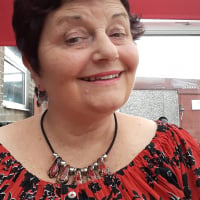
My name is Heidi Herkes and I’m a disabled personal stylist.
I have a keen interest in helping women who have been through trauma or are
wanting a boost in self-confidence. I also run a YouTube channel where I talk
all about beauty and fashion, demonstrating how I still live a fulfilling life with
my disability.
Thank you for introducing yourself. Were you always into fashion and beauty?
Prior to my accident, I used to run a successful hair and
make-up company that specialised in weddings. I’ve always been very creative
and enjoyed helping women feel and look good, especially on their wedding day.
It was something I loved and something I was good at. However, this all came to
a standstill when I fell down the stairs, breaking my neck and leaving me
paralysed from the chest down. My whole life was pieces and it took a long time
to put back together.

I no longer had the ability to walk or use my hands, I was rattling
around in a battered NHS wheelchair and was always wearing baggy gym clothes
whilst at rehab. I felt I had lost my identity and was so disconnected to the
woman that I once was.
Relentless medical administration and trying to get to grips
with paralysis consumed me, leaving me with very little inspiration after being
in hospital for almost a year. Having said that, I always tried to keep up my
appearance by putting on make-up every day and making sure that my hair looked
nice. This in turn gave me some confidence back and salvaged the Heidi that I
once knew.
How did you become a personal stylist?
After leaving hospital and adapting to my new way of life, I
grew to realise the importance of style. Just because the new me was in a
chair, I didn’t want to be defined by it. Fashion at the time became so
important to me and I made it my prerogative to become an expert in it.
I decided to train as a personal stylist and since then I’ve
never looked back. Personal styling is such a rewarding kind of career and I love
helping people in this way. A typical day as a personal stylist involves
preparation, research and lots of shopping! Learning about who your client is
and what they are looking to achieve is key. It’s about listening to your
clients’ needs and lifestyle, creating something that they will feel
comfortable in.
Do you have any tips you can share with us, when it comes to accessible
fashion or shopping?
I’ve had a few disabled clients, mostly wheelchair users. I
normally carry out a similar styling session. I go into more depth however,
depending on what their concerns or limitations might be such as:
- Their level of movement,
- If they use a leg bag or an intermittent
catheter,
- If they have swollen ankles or legs,
- The style of wheelchair and what foot plates it
has, indicating what kind of shoes they can wear,
- If they have any scar tissue or sensitive areas
on their body after operations.
My fashion tips for disabled people would be to create
height. As a wheelchair user you could start by wearing accessories such as a
scarf around your neck, in the right colour depending on your skin tone. Also, a
hat or tying your hair up can create volume.
If you are shopping, make sure to choose clothes that you
know will fit. If you are not going to wear it at least 30 times, don’t waste
your money.

Extra bonus tip
If you use a leg bag for drainage, think about a night bag.
You can choose a pretty but large enough bag to attach to the bottom of your
chair. You can have the catheter coming out from the top of the fastened zip or
make a small hole through the waistline of a skirt or dress and let the tube
run down the side. That way you can go out most of the day and not have to
worry about your trouser leg looking full or having to constantly empty it.
Self-confidence when using a wheelchair can sometimes be at
an all-time low and readjusting can be difficult, but I can say is that I’ve
been there, got the T-shirt and that styling helped me 100%!
How are things now? Are there any new projects or ideas you are working on?
I’m currently working on a few exciting projects, including
redesigning my wheelchair to make it look more of a fashion statement. I’m
working together with an incredibly talented interior/fashion designer called Sera of London, who turns
her hand to anything to makes the ordinary into the extraordinary.
I’m also focusing a lot more on my YouTube channel this
year, where I’m looking to cover topics all about fashion, beauty and
empowerment. I’m hoping to help inspire and motivate people in similar
situations into believing in themselves.
You can check out
Heidi’s work on her YouTube channel, Instagram page and her website Personal Style Consultancy.
Can you relate to
Heidi’s story? Do you have any accessible fashion tips as disabled person?