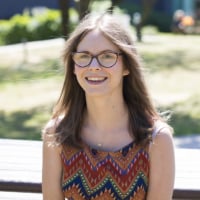
I’m Cara, mum to Blair aged 9 and Lyla aged 7. My
beautiful, funny daughter Lyla was diagnosed with a rare brain disorder called
polymicrogyria and quadriplegic cerebral palsy when she was 9 months old.
Gaining a support network
When I had my son, who was born in Australia, I was assigned a group of local mums
to meet up with. It was these women ended up being my support system. Through the haze
of sleepless nights, feeding, milestones and many ‘what on earth am I doing?!’
moments, those mums were my lifeline at a time when it would have been easy to
feel incredibly isolated. Our friendships remained strong and constant through
the following years including the births of our second children.
After my daughter Lyla was diagnosed at 9 months old, my
friends were there when I cried, they held my baby girl when I needed a break
and they looked after my son when we had hospital appointments. They even came
bearing coffee and chocolate when it was needed. They were amazing. For a long
while I stayed away from the Facebook and online support groups and from the Special
Needs playgroups. I was afraid of being overwhelmed and losing myself in a
world that I wasn’t ready for, I was trying to protect my heart from feeling
too much. What I didn’t realise was that I was already part of that world, I was
just there on my own. I didn’t realise how isolated I felt until we started
taking Lyla to conductive education with a group of parents and children the
same age as Lyla.

Finding your tribe
What I was missing was a group of parents who understood
what it was like to find yourself raising a disabled child. Who understood the
fear of the unknown, who experienced the dark thoughts that appear at 2am and who
were making space in their house for standing frames and supportive strollers.
For 6 hours a week I joined group of parents whose children also had
CP to do conductive education and we worked with our children together, but it was more than that. We were a community. We cried
together, we laughed together, we celebrated our children’s gains and we talked
about things that no one else would understand. We comforted each other when
our children were having tough days. They were friendships forged out of such
extremely difficult and life altering circumstances which meant there was no
room for anything but honesty and vulnerability. I had found the tribe I was
missing.
Isolated once again
When Lyla was three, we moved home to Scotland. Moving to the other
side of the world meant that we were isolated once again and navigating through
a new maze of disability services without a tribe who understood us. Over the
first year I made friends with a group of local school mums through my son’s
class and Lyla’s nursery class. These wonderful friends accepted our family as
we were and welcomed us with open arms. Their children became Lyla’s friends
and she went onto to start mainstream school with them.
It took a year or so before the hole in my life that was
left after leaving my tribe behind became too big for me to ignore. I needed
another tribe. I reached out to Facebook groups and asked if anyone was in our
local area with a child similar to Lyla. I got some great responses, two of
whom are now incredibly close friends of mine. I had found another tribe. The
friendships which began two years ago have been a constant source of support,
laughter and information.
It is life-changing to have the space to be vulnerable and
talk openly about our life without any competition or without the worry that
people won’t know what to say. To find others that won’t back off because it
makes them feel awkward.
The desire for positive role models
While I knew that I needed a tribe, I hadn’t thought
about how it would affect Lyla. Lyla is in mainstream school, so her circle of
friends was mainly neurotypical able-bodied kids. She has fantastic and very
real friendships; they ask the best questions and accept Lyla for who she is.
They have found ways to include her in their games despite the fact that she
can’t speak or walk. They have worked out how she communicates and as far as
they are concerned, the most interesting thing about Lyla is that she loves
bags, chocolate and the colour pink. Her inclusion in the mainstream community
is such a positive thing and I know we will see the benefits of this for the
rest of Lyla’s life.
However, I wanted her to have a mix of friends, those she
can identify with as she grows up. I wanted her to have positive role models in
disabled young people, so she knows what’s possible for her. I didn’t realise
how much I needed these role models too. We now both have a truly diverse group
of friends who can relate to our stories and share their experiences with us.
It's worth it in the end!
I really had to put myself out there, as scary and
uncomfortable as that was, to find my tribe. I had to put my big girl pants on
and start conversations, to actively seek out like-minded parents living with
the same challenges. It wasn’t easy and it took me a long time to be brave
enough to start, but I’m so glad I did.
If you feel isolated, like no one is living a similar
life to you, take a baby step towards putting yourself out there and finding
someone who gets it. I promise you won’t regret it.
Cara blogs at Lyla’s Angels
and writes about her family’s life and campaigns for Changing Places toilets
and disability rights.
Have you ever felt isolated because no one could
relate to? Do you have a tribe? What advice would you give to others? Let us
know in the comments below!