Medical scissors and air travel.

How do I carry medical scissors or similar items on long plane trips? While they're prohibited by law, they're essential, for example, for treating non-healing ulcers.
Is there a solution?
Liquid medications, for example, are permitted, as are injection needles.
Comments
-
If you have a non-healing ulcer, I imagine it's important to have that looked at by a professional rather than attempting to treat it yourself.
I'm not a legal expert and no one here can give legal advice, but if they're prohibited by law on flights, would buying them on the other end of a flight be a possibility for you @egiste2r? I imagine most countries sell them.
0 -
Are you sure they're prohibited by law? As far as I'm aware, you can carry short bladed scissors in hand luggage on a plane.
0 -
Doctors treat the wounds for years, often with relapses. Doctors aren't gods. Bandages still have to be changed. Buy medical scissors at the airport... but what if you need to change a bandage during the flight?
People with type 1 diabetes can treat themselves, so what's worse than people with chronic ulcers, for example?0 -
Perhaps you were just lucky. Scissors, knives, and the like are generally prohibited in hand luggage. Furthermore, knives and scissors with small blades are practically useless for bandaging.
0 -
Would it be possible to pre-cut whatever is needed for the flight?
0 -
It's impossible to anticipate every nuance when dressing chronic wounds. In addition to surgical scissors, other surgical instruments may be needed, and each case is highly individual.
It's also a known fact that air ambulance medical personnel accompanying patients are not restricted in their use of surgical instruments.
0 -
If you needed to change your bandages mid flight where would you do it? With a high risk of infection to yourself and others, I am unable to visualise a space that would be suitable for you to do this.
0 -
Short-bladed sewing scissors may be sharp enough for bandages @egiste2r, would that be an option for you? I don't have experience cutting bandages with them specifically, but mine will cut through more than one layer of fabric with no problem, so they may be worth a try.
It might also be worth speaking to the airline you're flying with to see if they have any special dispensation for medical items. They're probably used to answering these kinds of questions from passengers, so they might have some specific advice to share with you.
0 -
The .Gov website has a list of permitted items on planes. Scissors are allowed with blades up to 6cm which I would think is long enough for this purpose.
Hand luggage restrictions at UK airports: Personal items - GOV.UK
What surprised me on that list is knitting needles are allowed in hand luggage. Can do considerable damage with one of those!
1 -
Why would you suddenly need to change it mid flight anyway?
1 -
As I mentioned above, you'll need surgical scissors. Neither tailor's\sewing scissors nor even a Jedi sword will do.
Airline information desks say nothing more than repeat the ban on knives and scissors. The answers, as you know, are either robots or low-paid employees reading instructions. They don't care.1 -
If needed, use the toilet inside the airplane.
Airports have airport medical service rooms or, in rare cases, accessible restrooms.
In an emergency, it's crucial to change the dressing as quickly as possible to keep the healing process going.
Otherwise, years of progress in treating chronic wounds can easily be wasted.1 -
How big are the scissors that you use? I don't have any direct experience with this type of bandage but I've had a few First Aid Kits that come with scissors and they've all been shorter than 6cm.
0 -
Unfortunately, security can, for reasons unknown to passengers, prohibit even permitted items from being carried in carry-on baggage. In cases involving insulin needles, for example, there are no such issues, but surgical scissors can be confiscated.
International flights are a very sad topic in their own right.
1 -
If it says dressings need to be changed, then they do.
Please keep in mind the question about carrying surgical scissors in an airline passenger's carry-on baggage.0 -
you don't fly, instead take the train or ferry.
0 -
Thanks for the advice. Of course, the appropriate medical professionals taught me how to care for slow-healing ulcers.
Surgical scissors are an absolute must.
Ensuring cleanliness during dressing changes is a solvable issue. For example, the air on an airplane is cleaner than in operating rooms in hospitals with special air purification systems, if that's of interest to you.
Of course, no one will be changing dressings during a dust storm or a missile attack.0 -
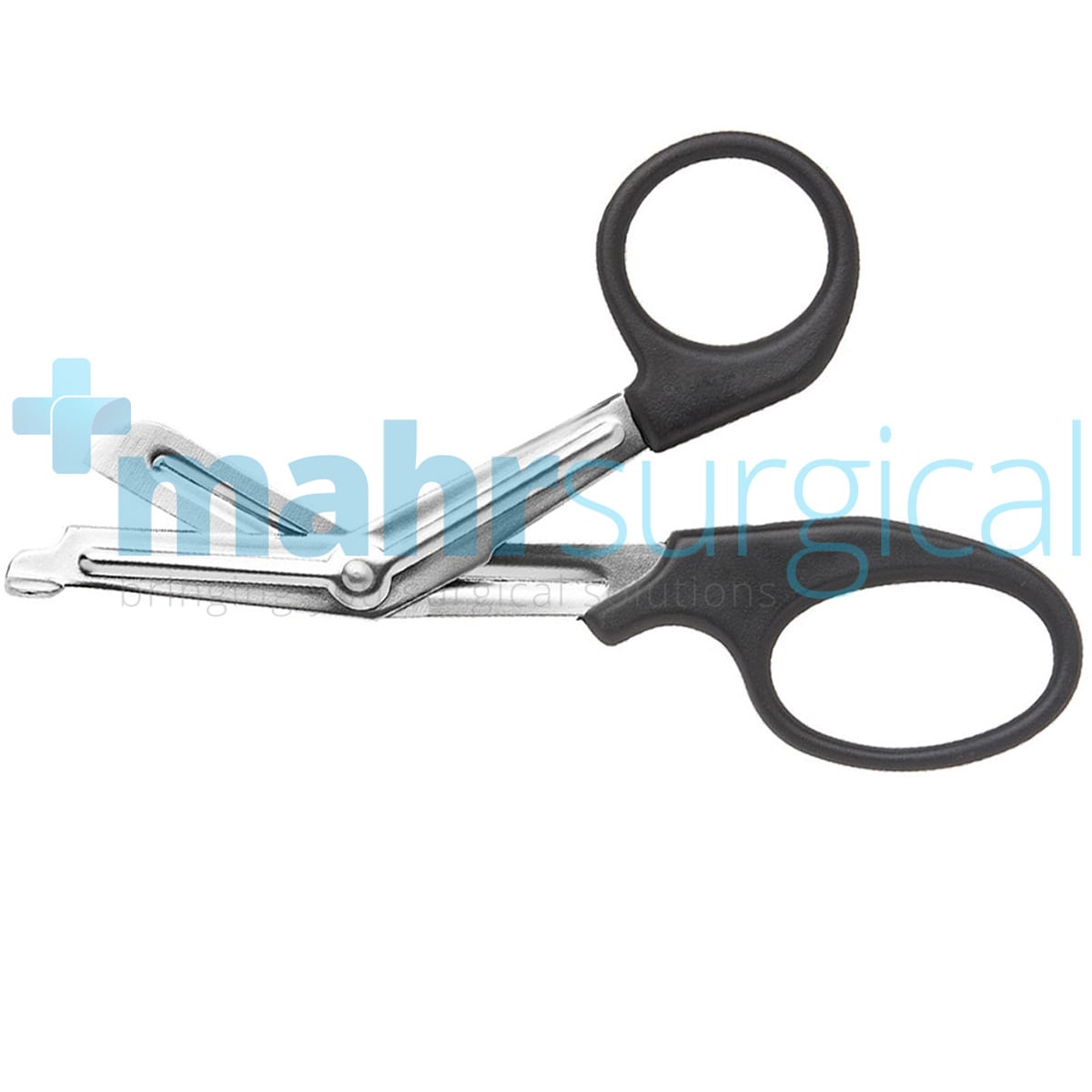
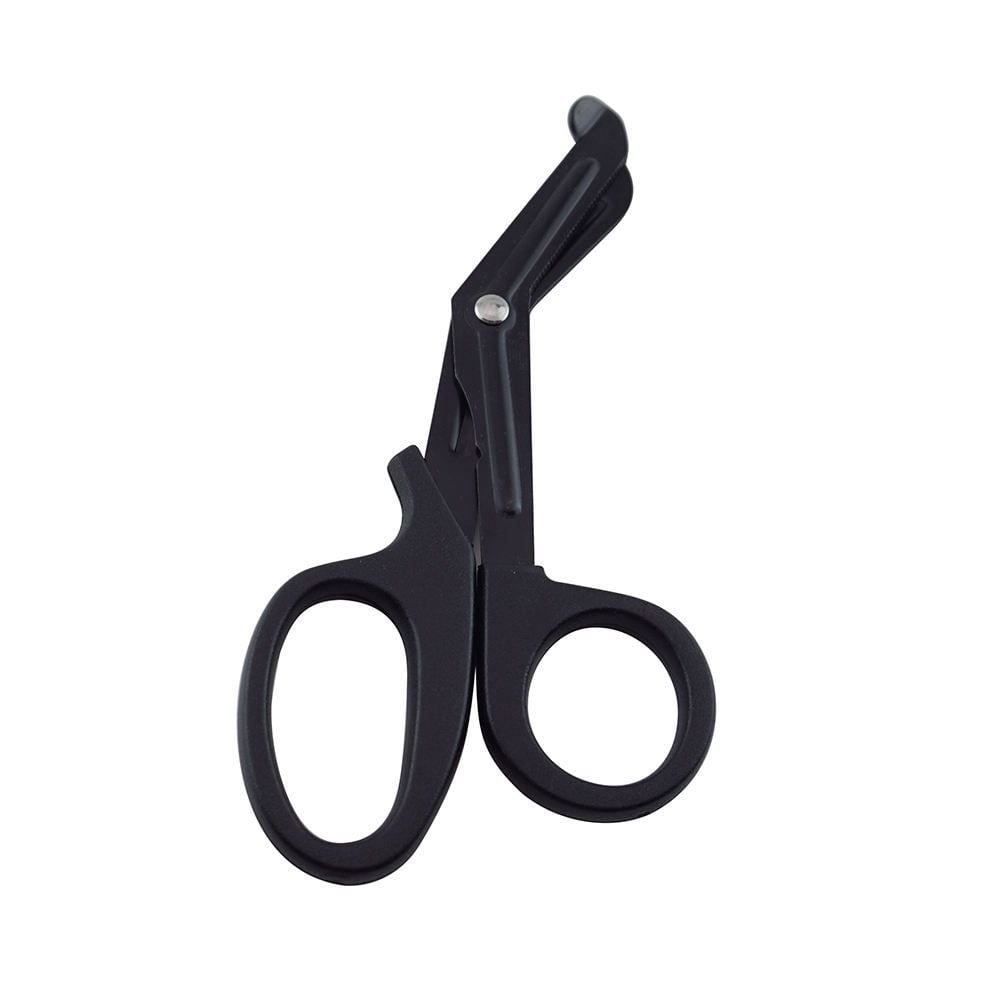
Scissors of this type are practically impossible to use. They're designed for tough fabrics, made of poor-quality steel, and impossible to disinfect.
0 -
Thank you! It's not a problem to change your own dressings, but it's a problem to keep airport security from confiscating your surgical scissors.
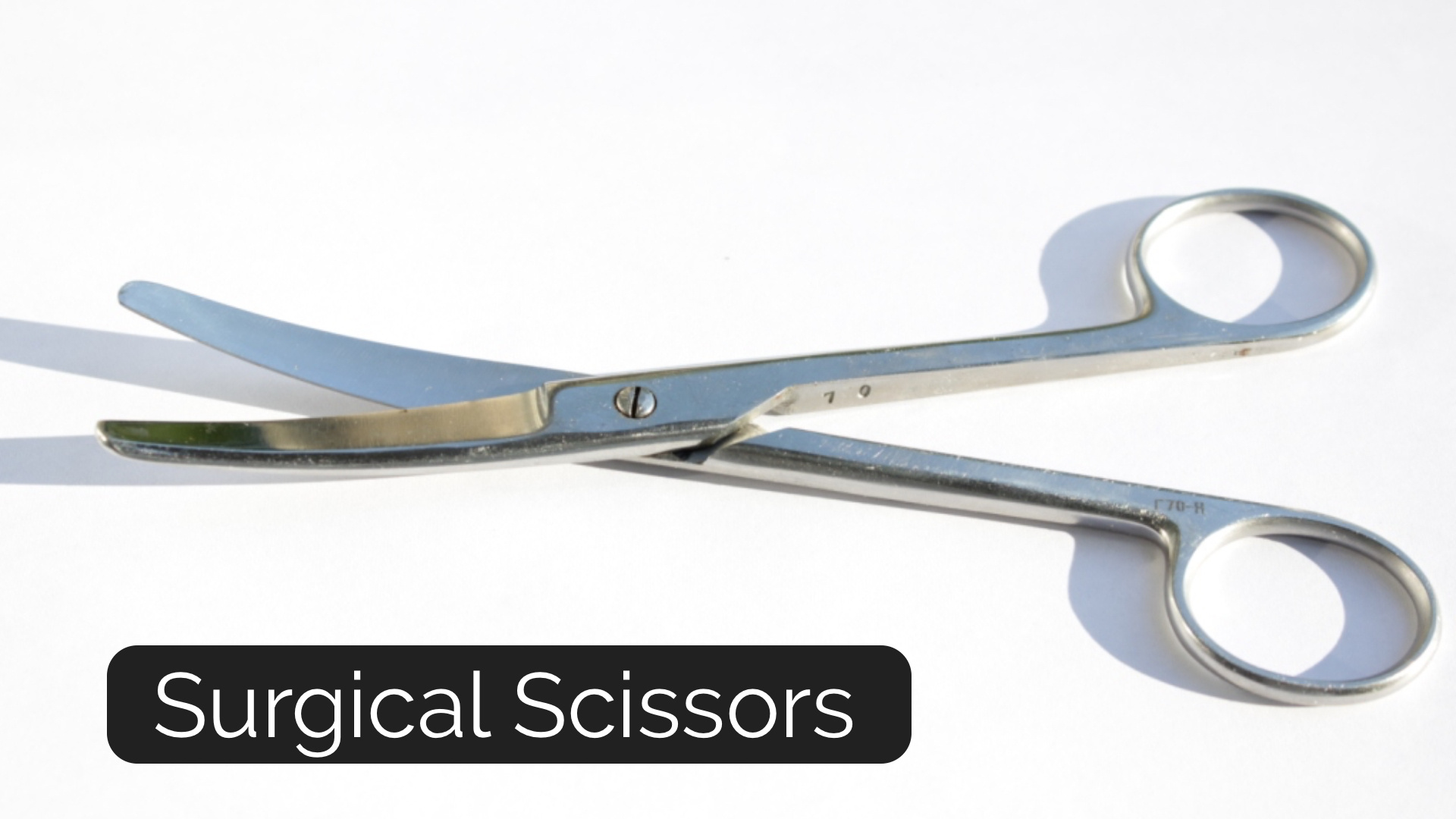
I don't think regular medical professionals can offer any advice in this situation. For example, a former ship's doctor who had participated in various expeditions didn't offer me any specific advice. The idea that changing bandages is illegal is very odd, as children's diapers are changed on flights, and there are no problems with it.
The airplane cabin is constantly ventilated with fresh air from outside, so it's always fresh.
https://www.travelandleisure.com/airlines-airports/how-airplane-cabin-air-works1 -
The blades on those don't look anywhere near 6cm to me.
Obviously we can't stop them being confiscated in error, but I do believe those are perfectly acceptable under UK law. They are the type I was thinking of myself, I'd never seen the angled type posted above.
1







Categories
- All Categories
- 16.4K Start here and say hello!
- 7.8K Coffee lounge
- 123 Games den
- 1.8K People power
- 188 Announcements and information
- 25.9K Talk about life
- 6.2K Everyday life
- 444 Current affairs
- 2.6K Families and carers
- 889 Education and skills
- 2K Work
- 630 Money and bills
- 3.8K Housing and independent living
- 1.2K Transport and travel
- 674 Relationships
- 1.6K Mental health and wellbeing
- 2.6K Talk about your impairment
- 885 Rare, invisible, & undiagnosed conditions
- 950 Neurological impairments and pain
- 2.3K Cerebral Palsy Network
- 1.3K Autism and neurodiversity
- 41.8K Talk about your benefits
- 6.2K Employment & Support Allowance (ESA)
- 20.6K PIP, DLA, ADP & AA
- 9.5K Universal Credit (UC)
- 5.4K Benefits and income