Yoga and Cerebral Palsy
Are there any benefits to practising yoga for cerebral palsy?
Cerebral palsy refers to a range of motor disabilities caused by damage to the brain before, during, or shortly after birth.
Yoga is an ancient practice that focuses on strengthening the mind-body connection.
This article will explain how practising yoga can help individuals with cerebral palsy achieve mental and physical relief.
Yoga for Cerebral Palsy
Both your physical and psychological state must be in good health for optimal well-being.
Let’s go over how yoga uses meditation, deep breathing, and body positioning to promote peace of mind and body.
Meditation
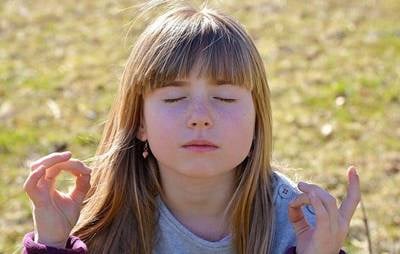
Although cerebral palsy does not directly affect psychological functioning, cognitive disability and emotional distress are associated conditions that commonly co-occur with CP.
Meditation focuses on nurturing states of consciousness, concentration, and contemplation.
Practising meditation can help children with cerebral palsy:
- Reduce stress and anxiety
- Improve self-perception
- Enhance cognitive skills like attention, memory, and problem-solving
- Boost creativity
Deep Breathing
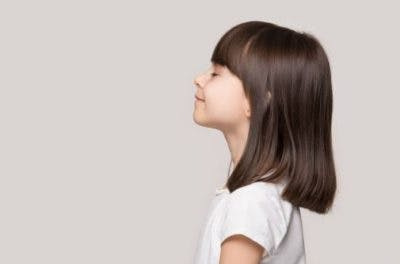
Deep, steady breathing promotes relaxation and allows more oxygen to enter the body.
Oxygen fuels cellular activity so that the body can function properly.
Additional benefits of deep breathing for individuals with cerebral palsy include:
- Improved respiratory function
- Increased metabolic rate
- Stable energy levels
- Better cognitive functioning
- Reduced symptoms of depression and anxiety
- Better digestion
- Improved circulation
Body Positioning
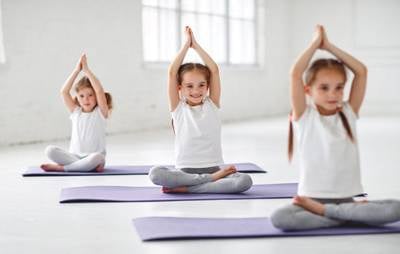
The postures practised in yoga are called asanas, and they’re specifically designed to enhance the free flow of energy throughout the body.
Whether you believe in congested energy flow or not, it’s a fact that regular stretching and movement help promote circulation for optimal functioning.
Yoga asanas range in difficulty and benefits.
Some poses focus on improving flexibility and range of motion, while others will build strength, develop balance, extend endurance, or improve posture.
These are all functional goals commonly shared by individuals with cerebral palsy.
Adapting Yoga for Children with Cerebral Palsy
Yoga can be made fun and simple for children with cerebral palsy to enjoy.
Poses can be adjusted, and meditation can be guided to help children achieve physical and psychological relief. For those who are religious, meditation can also be used as a time to pray and reflect, which enhances spiritual well-being.
It’s important to remind children that they shouldn’t force a position if they feel any sort of pain or discomfort.
Yoga should not be stressful, and children should feel relaxed and comfortable.
Your child may not be able to do every pose, and that’s absolutely okay because every case of cerebral palsy is unique.
Frequently, there are ways to increase or decrease the difficulty of a pose. Yoga instructors may have an alternative asana to try if one is too challenging or may have a way to adapt the asana to your child’s skill level. This could involve using blocks to help with stability or shortening the time spent in the pose.
For children who are unable to stand for extended periods of time or who use a wheelchair, yoga can be practised in a seated position.
A frequent request of yoga instructors is to “listen” to your own body and to do what feels appropriate for you. Encourage your child to focus on what they can do, and they’ll gradually improve.
Understanding Yoga for Cerebral Palsy
That’s a wrap! By practising yoga, children with cerebral palsy can boost their mental health, mobility, and confidence.
Yoga will complement other management interventions like physical therapy, but it is not intended to replace them.
While the holistic practice may not be for everybody, yoga is a low-risk activity that is definitely worth trying for peace of mind and body.
Categories
- All Categories
- 16.4K Start here and say hello!
- 7.8K Coffee lounge
- 123 Games den
- 1.8K People power
- 191 Announcements and information
- 25.9K Talk about life
- 6.2K Everyday life
- 444 Current affairs
- 2.6K Families and carers
- 889 Education and skills
- 2K Work
- 630 Money and bills
- 3.8K Housing and independent living
- 1.2K Transport and travel
- 674 Relationships
- 1.6K Mental health and wellbeing
- 2.6K Talk about your impairment
- 885 Rare, invisible, & undiagnosed conditions
- 949 Neurological impairments and pain
- 2.3K Cerebral Palsy Network
- 1.3K Autism and neurodiversity
- 41.8K Talk about your benefits
- 6.2K Employment & Support Allowance (ESA)
- 20.6K PIP, DLA, ADP & AA
- 9.5K Universal Credit (UC)
- 5.4K Benefits and income