World CP Day. The change we want to see for cerebral palsy.

This year, for World Cerebral Palsy Day, we are being asked to answer one question:
THE CHANGE WE WANT TO SEE FOR CEREBRAL PALSY.
We need a deeper, more compassionate understanding of the hidden realities of living with cerebral palsy.
For many of us, cerebral palsy is only one part of the picture. Co-existing conditions can add layers of complexity that others may never see.
Every person is unique, and we deserve a holistic approach to care that sees the whole person.
There should be genuine understanding and a willingness to learn about this, starting in education settings and then from future employers.
When I meet people at work or in social settings, they notice my cerebral palsy because it is visible. What they cannot see is my epilepsy and the quiet, constant impact it has on my life. My seizures are well controlled, but that is only part of the story. People don’t see the high doses of medication, the short-term memory and sleepless nights. Never mind the background worry of not knowing when a seizure might happen.
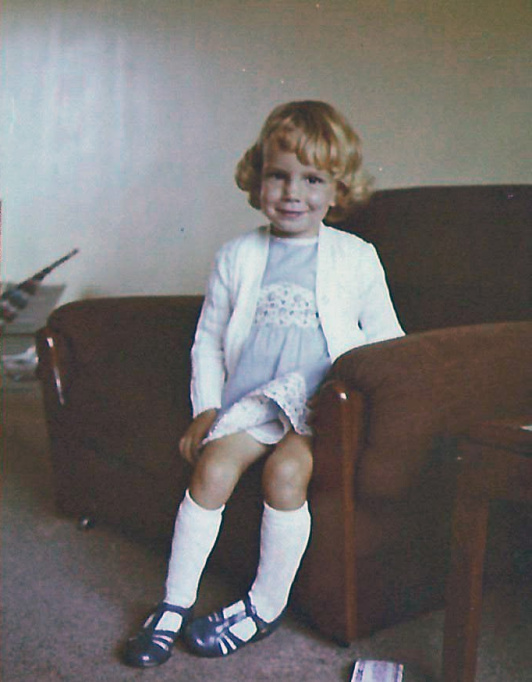
It can be difficult for others to understand the anxiety I live with every day. When I was younger, I felt deep anger that, alongside cerebral palsy, I was also experiencing seizures several times a week. The unfairness of it all felt overwhelming. But what frustrated me just as much was that apart from my family, no one wanted to understand what I was going through.
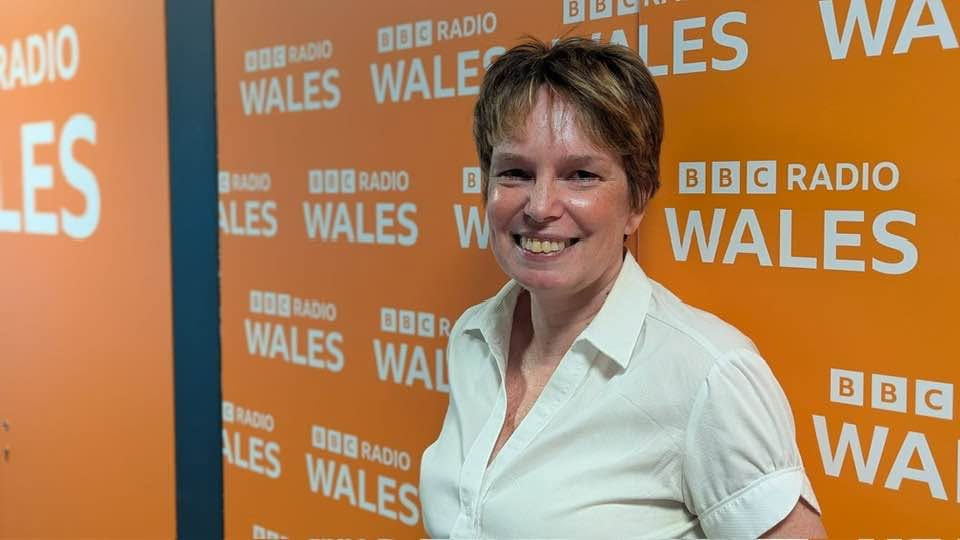
People with cerebral palsy and co-existing conditions don't want sympathy, and don't want to be viewed as difficult. We want patience, awareness and respect. If someone pauses, looks vacant during a presentation or sometimes needs a reminder, they may be working incredibly hard to retrieve the words they know. Or they may be experiencing a focal seizure.
Some focal seizure symptoms can’t be seen by others.
These can include things like:
- Changes in emotions. For example, a feeling of fear
- Changes in thinking
- Changes in sensations. For example, a rising feeling in the tummy (Epilepsy Action, 2026)
Cerebral palsy is so much more than a physical disability. By having open conversations with individuals and families and listening to their experiences, greater understanding develops. It is okay to ask respectful questions about what you don’t understand. That willingness to learn can be the beginning of meaningful change.
#uniqueandunited
Comments
-
Thank you to everyone who supported World CP Day 2026. The day was full of people sharing incredible achievements, but we also heard about the barriers that still exist for the cerebral palsy community.
0
Categories
- All Categories
- 16.4K Start here and say hello!
- 7.8K Coffee lounge
- 123 Games den
- 1.8K People power
- 190 Announcements and information
- 25.9K Talk about life
- 6.2K Everyday life
- 445 Current affairs
- 2.6K Families and carers
- 890 Education and skills
- 2K Work
- 630 Money and bills
- 3.8K Housing and independent living
- 1.2K Transport and travel
- 676 Relationships
- 1.6K Mental health and wellbeing
- 2.6K Talk about your impairment
- 885 Rare, invisible, & undiagnosed conditions
- 950 Neurological impairments and pain
- 2.3K Cerebral Palsy Network
- 1.3K Autism and neurodiversity
- 41.8K Talk about your benefits
- 6.2K Employment & Support Allowance (ESA)
- 20.6K PIP, DLA, ADP & AA
- 9.5K Universal Credit (UC)
- 5.4K Benefits and income