Protecting the Past for the Future

Visiting the Wellcome Collection in London on behalf of Scope was a real privilege. I was there to support Dr Vicky Long with the important task of categorising years’ worth of Scope documents for a potential exhibition called Rights of the Disabled Child. It was one of those moments where history, activism, disability rights and personal reflection all came together. The documents told a powerful story.
They captured how attitudes towards disabled children, including children with cerebral palsy, have changed over more than seven decades. Some of the material reflected a time when disabled children were often seen through a narrow medical or charitable lens. Other documents showed the gradual but determined shift towards rights, inclusion, education, independence and family voice.
As someone representing Scope, I felt the weight of that history. Scope has been part of many families’ lives for generations. And through the hard work and diligence of Alex White in collecting the documents, I had the chance to work with a time machine. The documents were not just organisational records. They represented real people, real campaigners and real communities who pushed for better support, better understanding and better futures.
Helping to categorise the archive meant looking carefully at the themes running through the material. Education came through strongly: who had access to school, what kind of school disabled children were expected to attend, and how inclusion was understood at different points in time. There were also themes around health, therapy, family life, language, public attitudes and campaigning.
What struck me most was how much progress has been made, but also how familiar some of the issues still feel. Families today are still fighting for the right support, timely services, accessible education and recognition that disabled children should have the same opportunities as anyone else. The language may have changed, and the legal framework may have moved forward, but many of the barriers remain stubbornly present.
That is why exhibitions like Rights of the Disabled Child matter. They do not simply look backwards. They help us understand how the present has been shaped. They remind us that disabled people’s rights were never handed over politely. They were fought for by disabled people, families, allies and campaigners who refused to accept exclusion as inevitable.
It was also moving to think about how these documents will be experienced by future visitors. For some people, they may offer a first glimpse into the history of disabled children’s rights. For others, they may feel deeply personal, reflecting their own lives, families or childhoods. Archives have a unique power because they preserve voices and experiences that might otherwise be forgotten.
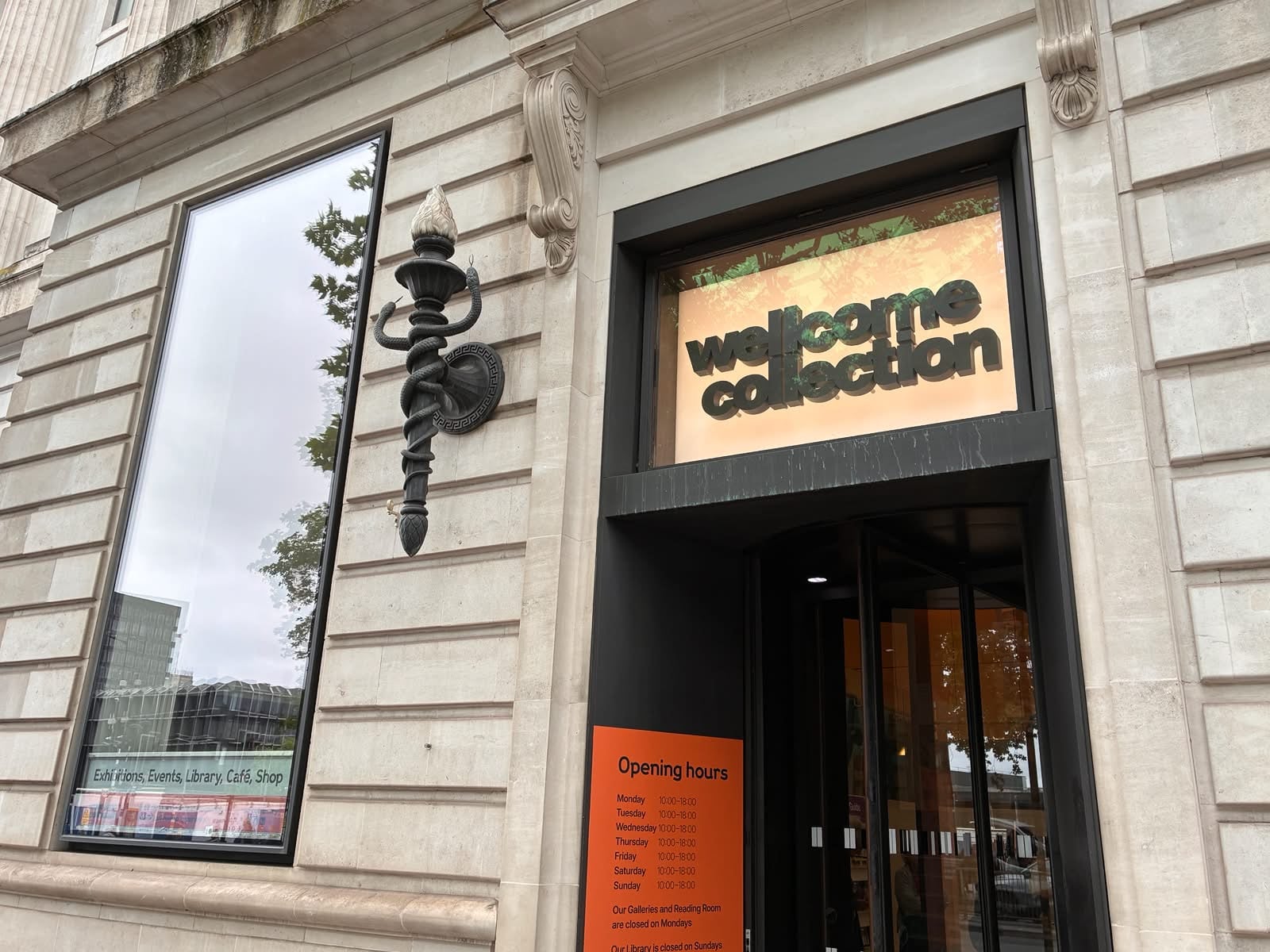
I left the Wellcome Collection feeling proud to represent Scope, but also mindful of the responsibility that comes with preserving and sharing this history. The story of disabled children’s rights is not finished. It continues in classrooms, health services, policy discussions, family homes and disabled people’s organisations every day.
Being part of this work with Dr Vicky Long and Newcastle University was a reminder that our history matters. It shows how far we have come, what has been achieved, and why we must keep pushing for a society where every disabled child is valued, heard and able to thrive.
Categories
- All Categories
- 16.4K Start here and say hello!
- 7.8K Coffee lounge
- 123 Games den
- 1.8K People power
- 191 Announcements and information
- 25.9K Talk about life
- 6.2K Everyday life
- 444 Current affairs
- 2.6K Families and carers
- 889 Education and skills
- 2K Work
- 630 Money and bills
- 3.8K Housing and independent living
- 1.2K Transport and travel
- 674 Relationships
- 1.6K Mental health and wellbeing
- 2.6K Talk about your impairment
- 885 Rare, invisible, & undiagnosed conditions
- 949 Neurological impairments and pain
- 2.3K Cerebral Palsy Network
- 1.3K Autism and neurodiversity
- 41.8K Talk about your benefits
- 6.2K Employment & Support Allowance (ESA)
- 20.6K PIP, DLA, ADP & AA
- 9.5K Universal Credit (UC)
- 5.4K Benefits and income